Centralizing Power Amid Domestic Debates and International Anarchy
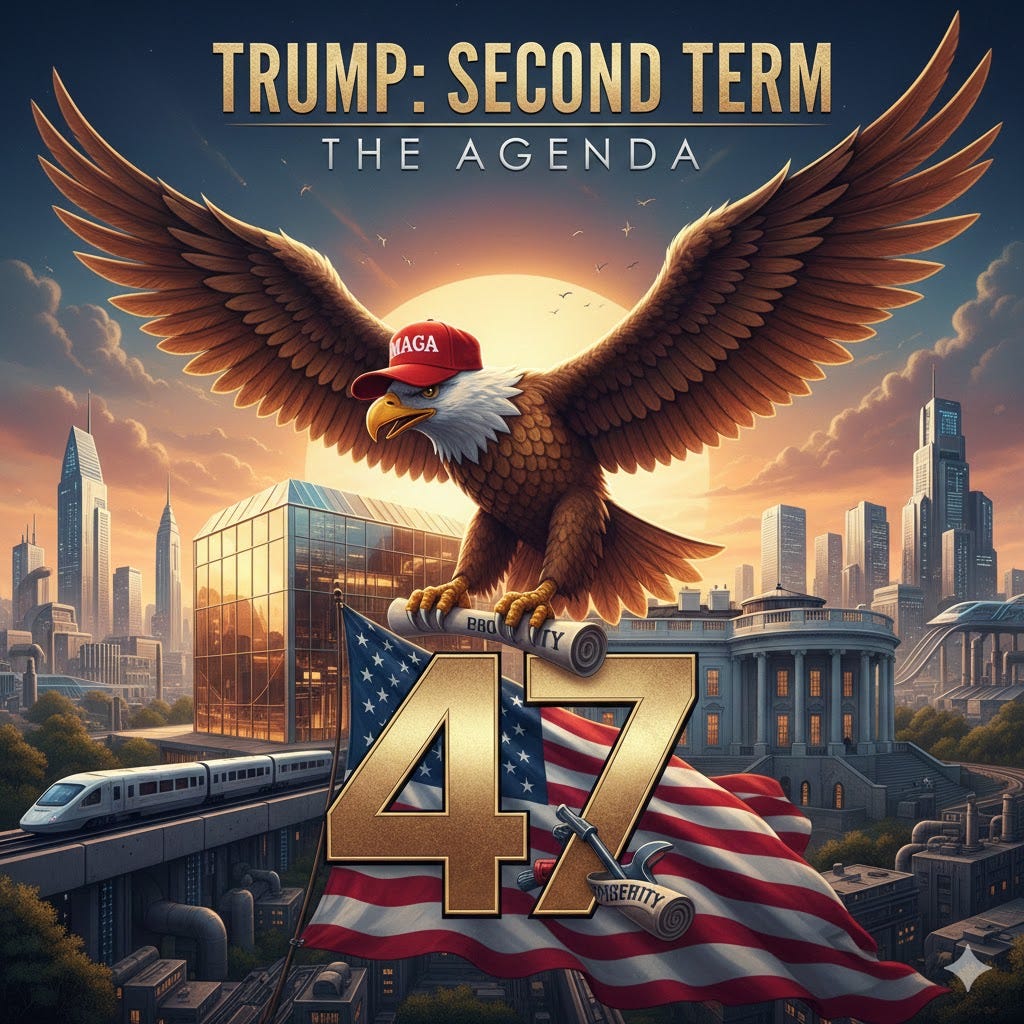
As President Donald Trump begins his second term in office, his administration’s aggressive pursuit of executive authority has sparked intense debate in Washington and beyond. Entering 2026, Trump’s agenda emphasizes centralization through sweeping actions on tariffs, immigration, and deregulation, challenging the traditional checks and balances embedded in the U.S. Constitution. These moves not only test the limits of presidential power at home but also highlight the anarchic nature of international law, where enforcement relies on raw power rather than a global authority. This analysis examines how Trump’s strategies are reshaping governance domestically while navigating a lawless international environment.
Executive Actions: Tariffs as a Tool of Economic Leverage
A cornerstone of Trump’s second-term agenda is the use of broad tariffs to protect American industries and rebalance trade. Shortly after his inauguration on January 20, 2025, Trump issued executive orders that significantly altered U.S. trade policy. He extended the suspension of heightened reciprocal tariffs on Chinese imports until November 10, 2026, signaling a temporary thaw in U.S.-China relations amid ongoing negotiations. Additional measures established a 15 percent minimum tariff on imports from more than 60 countries to counter what the administration describes as decades of unfair trade practices. Another executive order eliminated the de minimis exemption for low-value shipments under $800, applying tariffs globally to curb perceived loopholes.
These measures are projected to increase the average tax burden on U.S. households by $1,100 in 2025 and $1,400 in 2026, according to economic analyses. Supporters argue that tariffs will strengthen manufacturing jobs and national security, while critics warn of inflationary pressures and retaliatory measures from trading partners. The Supreme Court is expected to weigh in on the constitutionality of these tariffs in 2026, with early hearings suggesting judicial skepticism.
Immigration and Deregulation: Streamlining Authority
Trump’s executive overhauls extend to immigration, where his administration has prioritized stricter enforcement through regulatory changes. Measures include enhanced deportation protocols and tightened asylum restrictions, building on promises from the 2024 campaign. These initiatives aim to centralize decision-making within the executive branch, bypassing bureaucratic hurdles that the administration argues slow governance.
Deregulation is another key focus. Trump has issued orders to roll back environmental and financial safeguards imposed by previous administrations. By the end of 2025, hundreds of regulations were under review, framed as barriers to economic growth. This approach mirrors his first term but with greater intensity, using executive authority to implement changes that might otherwise require congressional approval.
Debates on Checks and Balances: A Constitutional Test
These policies have sparked debates about the erosion of checks and balances. Critics, including legal scholars and opposition lawmakers, argue that Trump’s reliance on executive orders circumvents Congress and the judiciary, raising the risk of a constitutional crisis. Surveys from late 2025 show growing public concern that the president is exceeding his authority, with many viewing these moves as unprecedented in modern U.S. history.
Experts at Harvard Kennedy School warn that these actions challenge the rule of law by transforming federal operations in ways that strain the separation of powers. The Supreme Court is set to address disputes over tariff authority and regulatory overhauls in 2026. Defenders contend that the measures are necessary to fulfill campaign promises and improve efficiency, citing historical instances when presidents expanded executive power during crises. Lawmakers such as Congressman Jimmy Panetta emphasize the need to protect democratic norms, noting that checks and balances must adapt to prevent overreach. As 2026 progresses and midterm elections approach, these tensions could lead to legislative pushback or judicial rulings that redefine the limits of presidential power.
The Anarchy of International Law: Force as the Ultimate Arbiter
Trump’s unilateral actions also highlight the anarchic nature of international law. Unlike domestic systems with enforceable courts and police, the global order lacks a superior authority to resolve disputes or enforce penalties. States rely on self-enforcement, voluntary compliance, or the use of force (economic, military, or otherwise) to protect their interests.
There is no formal mechanism to address violations of international norms beyond the power that individual countries can wield, as seen in trade conflicts or military interventions. Trump’s tariffs illustrate this dynamic: by imposing economic sanctions without multilateral agreement, the United States asserts dominance in a system where strength often dictates outcomes. These policies could escalate tensions with both allies and adversaries. Domestic debates are amplified as unchecked executive power at home enables bolder foreign actions, highlighting the delicate balance between domestic authority and international influence.
Thanks for reading The Brooks Brief Substack! This post is public so feel free to share it.
Conclusion: A Pivotal Year Ahead
As 2026 unfolds, Trump’s drive to centralize authority through executive actions on tariffs, immigration, and deregulation will intensify scrutiny over America’s system of checks and balances. Simultaneously, these policies underscore the anarchic underpinnings of international law, where force remains the primary instrument of enforcement. Whether these measures result in economic growth, constitutional confrontation, or shifts in global power remains uncertain. One certainty is that Trump’s second term is poised to leave a lasting imprint on domestic governance and the international landscape.