Category: Political Opinion

  • Marriage, Paternity, and Power

    Marriage, Paternity, and Power

    How DNA Testing and Family Law Reshape Male Risk in Modern Relationships


    Introduction

    Marriage has historically functioned as a legal framework designed to manage uncertainty around parentage, responsibility, and inheritance. Before the advent of DNA testing, societies relied on marriage to establish paternal certainty, assigning financial and legal responsibility to husbands regardless of biological truth. This system prioritized social stability over individual accuracy, embedding risk within the marital institution itself. For centuries, men accepted this risk in exchange for social legitimacy, inheritance rights, and family continuity. However, technological and legal changes have altered this balance in ways that disproportionately expose men to financial vulnerability.

    In contemporary society, marriage rates are declining across the developed world, coinciding with expanded reproductive autonomy for women and heightened legal obligations for men. In the United States, marriage rates have fallen sharply since 2000, while nonmarital births and cohabitation have increased. At the same time, family law has evolved to prioritize child welfare outcomes over biological or relational fairness. These changes have intensified male perceptions of marriage as a legally asymmetric institution. Marriage is increasingly viewed not as a mutual safeguard, but as a high-risk financial contract.

    This article argues that declining marriage rates are partly driven by structural imbalances in reproductive and family law that expose men to obligations they cannot legally avoid. DNA paternity testing has made biological truth accessible, but courts often subordinate that truth to legal presumptions. Men cannot compel an abortion in failed relationships, yet may be financially bound for decades if a child is born. These realities reshape male incentives around marriage, cohabitation, and fatherhood. The result is not merely cultural change, but a rational recalculation of legal risk.

    Thanks for reading The Brooks Brief Substack! Subscribe for free to receive new posts and support my work.

    Marriage, Parenthood, and Asymmetric Reproductive Choice

    Modern reproductive policy grants women near-exclusive authority over pregnancy outcomes. A woman may choose to continue or terminate a pregnancy regardless of the father’s wishes, a framework rooted in bodily autonomy and constitutional privacy. Men, by contrast, have no legal mechanism to decline parenthood once a child is born. This asymmetry creates a fundamental imbalance in reproductive responsibility. While both parties contribute biologically, only one retains decisive legal control.

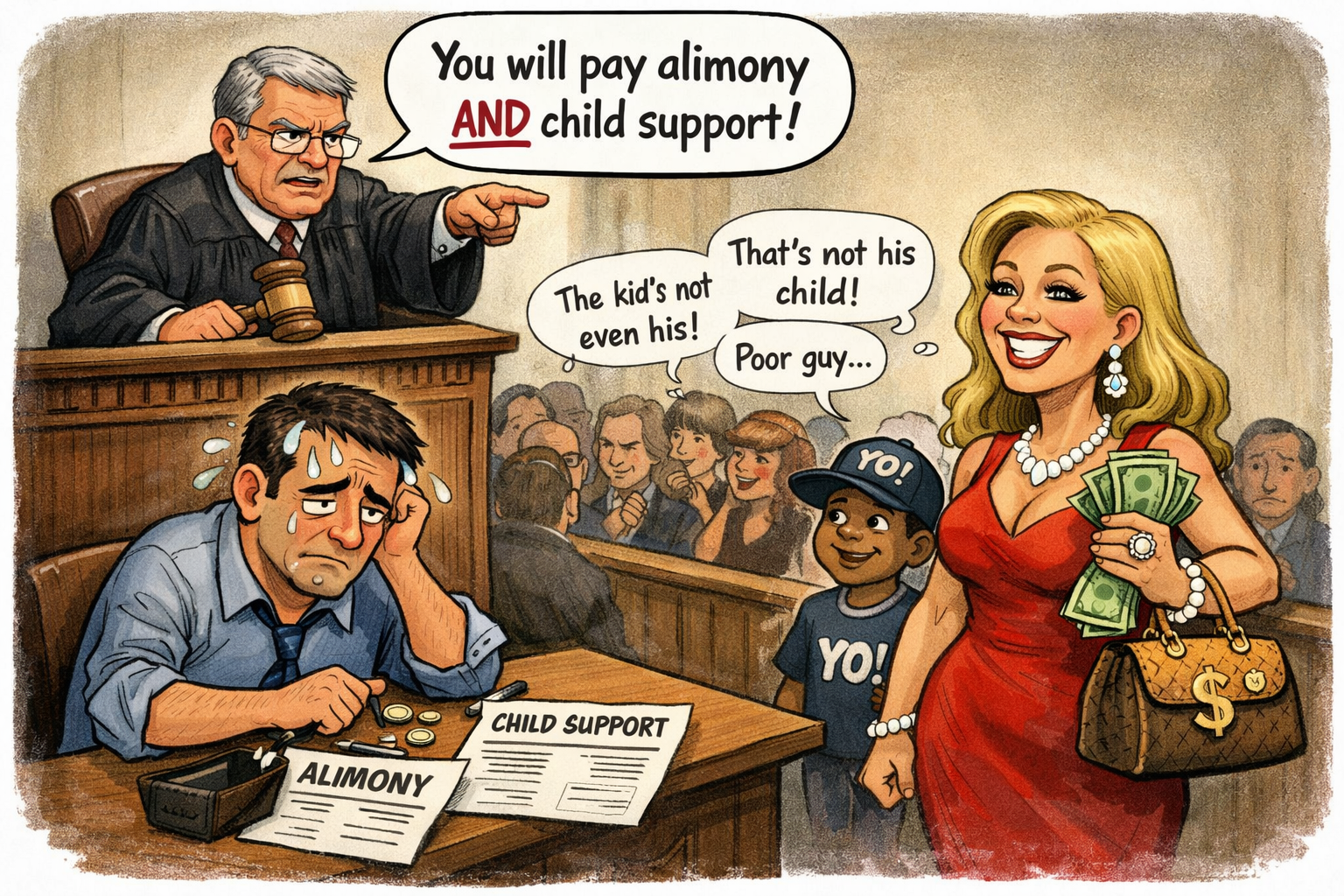
    In failed or short-term relationships, this imbalance can produce severe financial consequences for men. A man may explicitly state he does not want a child, yet still be held legally and financially responsible for the outcome of a unilateral decision. Child support obligations can extend for 18 years or longer, regardless of relationship duration or intent. Courts do not evaluate consent to parenthood, only biological or legal attachment. This system effectively decouples reproductive choice from financial liability for men.

    Historically, marriage mitigated this risk by aligning sexual relationships with long-term partnership and shared decision-making. As marriage declines, more children are born outside stable unions, increasing the frequency of contested parenthood. Without marital protections or shared governance, men bear risk without reciprocal authority. This legal structure shapes male behavior, discouraging commitment and encouraging avoidance of formal relationships. The decline in marriage is thus linked not only to culture, but to rational responses to asymmetric law.

    DNA Testing, Birth Certificates, and Legal Paternity Traps

    DNA paternity testing has made biological parentage verifiable with near-perfect accuracy. However, family courts often prioritize legal paternity over genetic truth. In many jurisdictions, signing a birth certificate establishes permanent legal fatherhood, regardless of DNA evidence discovered later. Men who sign under social pressure, misinformation, or assumed trust may unknowingly assume lifelong financial obligations. Courts frequently interpret the signature as voluntary acceptance of responsibility.

    This legal framework creates what critics describe as a paternity trap. Even when DNA testing later proves non-paternity, courts may still compel child support payments. Judges often justify these rulings by citing the child’s best interests and the need for financial stability. Biological truth becomes secondary to administrative convenience and welfare outcomes. As a result, men who are not genetic parents can be legally treated as such indefinitely.

    These outcomes undermine confidence in both marriage and fatherhood. The knowledge that legal obligations can persist despite fraud or mistake fuels distrust in intimate relationships. DNA testing, rather than resolving uncertainty, exposes a legal system unwilling to reconcile truth with responsibility. For many men, this disconnect signals unacceptable risk. The rational response is hesitation toward marriage, cohabitation, and even long-term relationships.

    Divorce Law and Gendered Financial Outcomes

    Divorce law further compounds male financial risk within marriage. In most jurisdictions, divorce settlements disproportionately award financial assets, alimony, and primary custody to wives. Although laws are formally gender-neutral, outcomes consistently favor women in practice. Men are more likely to pay spousal support and child support, often simultaneously. These obligations persist regardless of fault, infidelity, or unequal contribution.

    From a male perspective, marriage increasingly resembles a one-way financial commitment. The combination of no-fault divorce and income redistribution creates incentives misaligned with long-term partnership stability. Men face the possibility of losing assets, income, and access to children even in short marriages. This reality contrasts sharply with historical expectations of marriage as a mutual economic alliance. The risk-reward balance has shifted decisively.

    These outcomes influence marriage decisions long before divorce occurs. Younger men, observing divorce statistics and legal precedents, incorporate these risks into their life planning. Avoiding marriage becomes a strategy for financial self-preservation rather than ideological opposition. The decline in marriage is thus not solely cultural, but structurally induced. Family law shapes behavior as much as values do.

    Political and Policy Implications

    Conservatives often call for a revival of marriage while overlooking the legal incentives that deter it. Promoting marriage without reforming family law fails to address the root causes of male disengagement. Policies that emphasize responsibility without authority create resentment rather than stability. Mandatory paternity testing at birth is sometimes proposed as a corrective measure. However, without broader legal reform, testing alone does little to rebalance obligations.

    Liberals emphasize reproductive autonomy and child welfare, often dismissing male financial vulnerability as secondary. Yet ignoring asymmetry undermines confidence in legal institutions. A system perceived as unfair erodes voluntary participation, particularly in marriage. Public policy that seeks stable families must account for incentives on both sides. Stability cannot be coerced through obligation alone.

    Potential reforms include allowing men to contest legal paternity within defined timeframes, aligning financial responsibility with genetic truth, and reevaluating divorce settlement norms. Voluntary parenthood, rather than automatic liability, could restore trust in family formation. Without such reforms, marriage rates are unlikely to recover. The institution cannot survive if it is widely perceived as punitive.

    Thanks for reading The Brooks Brief Substack! This post is public so feel free to share it.

    Share

    Conclusion

    The decline in marriage cannot be understood without examining how modern family law redistributes risk. Historically, marriage managed uncertainty around parentage in a pre-scientific world. DNA testing has eliminated that uncertainty, yet the legal system often refuses to adapt. Men face financial obligations without reproductive authority, biological certainty without legal protection, and divorce outcomes that magnify loss. These realities reshape behavior.

    Marriage has shifted from a stabilizing institution to a potential financial liability for many men. Declining participation reflects rational adaptation, not moral collapse. Policymakers seeking to strengthen families must confront legal asymmetries directly. Without aligning authority, responsibility, and truth, marriage will continue to erode. The issue is not whether men value family, but whether the system values fairness.

  • Inflation, Wages, and the Political Lie Everyone Accepts

    Inflation, Wages, and the Political Lie Everyone Accepts

    How Sanitized Statistics Protect Power While Families Fall Behind


    Amid polished economic briefings and optimistic announcements from Washington, a quiet but consequential deception continues to shape the lives of everyday Americans. Official data suggests inflation is under control and wages are improving within a stable economy. For countless families, however, reality tells a different story. Rising costs for rent, medical care, food, and utilities continue to outpace income growth, stretching household budgets to their limits. This widening gap between reported figures and lived experience is not accidental. It is a political narrative sustained by leaders from both parties.

    By minimizing the true extent of financial strain, policymakers avoid accountability for deeper structural failures. Instead, Americans are told to work harder, tighten their belts, and trust the numbers. This entrenched falsehood deepens inequality, as economic policies disproportionately benefit corporations and asset holders while workers struggle to stay afloat. Over time, the erosion of trust fuels cynicism, disengagement, and polarization across the country.

    The persistence of this narrative reflects a broader failure of economic governance, where short-term political convenience overrides long-term societal well-being. Families increasingly rely on multiple jobs simply to cover necessities, exposing the disconnect between statistics and reality. Reluctance to confront root causes such as corporate profiteering, weak wage protections, and regulatory capture only compounds the problem. The result is an economy that undermines the promise of upward mobility while insisting that progress is being made. Recognizing this deception is the first step toward demanding accountability.

    The Illusion of Controlled Inflation: How Metrics Hide the Pain

    The Consumer Price Index remains the central measure of inflation, yet it often presents a sanitized view of economic pressure. In late 2025, CPI data suggested inflation had cooled significantly, reinforcing claims of stabilization. Critics argue this measurement masks the true cost of living due to methodological choices that dilute the impact of rising prices.

    Adjustments that account for perceived quality improvements can lower reported inflation even when consumers pay more out of pocket. Substitution assumptions further skew results by presuming households switch to cheaper alternatives, ignoring the loss in quality of life such changes imply. Excluding food and energy from core inflation metrics minimizes the impact on lower-income households, which spend a larger share of income on these essentials. Together, these practices create an incomplete picture that understates economic stress.

    Alternative approaches that focus on essential expenses tell a more troubling story. Inflation varies widely by income level, geography, and household composition, yet aggregated metrics fail to capture these disparities. Housing costs, particularly owners’ equivalent rent, remain a major point of contention due to lagged and imprecise data. These distortions echo historical changes designed to limit government obligations tied to inflation. As Americans continue to feel squeezed despite official claims of improvement, skepticism toward economic institutions grows.

    Personal inflation rates further expose the limits of broad indices. Low-income families experience inflation more acutely because essentials dominate their budgets, and price increases in housing and healthcare remain persistent. While headline inflation eased, affordability crises worsened. Asset price inflation benefits those who own wealth, while cost-of-living pressures intensify for those who do not. This systemic underestimation not only misguides policy decisions but alienates the public from economic discourse altogether.

    Wage Stagnation: The Slow Bleed of American Prosperity

    Wage growth in the United States continues to lag behind productivity, reinforcing a long-term erosion of worker purchasing power. Real earnings saw only marginal increases through 2025, and in some periods failed to keep pace with inflation. While nominal wages rose, inflation-adjusted gains remained weak or inconsistent.

    This stagnation stands in stark contrast to productivity growth, which surged as workers produced more value per hour. The decoupling of wages from productivity, a trend decades in the making, means workers generate increasing wealth without sharing proportionally in its rewards. Over time, this imbalance drains household resilience and undermines economic security.

    The consequences extend beyond earnings charts. Many Americans have turned to multiple jobs or gig work to compensate, even as basic expenses remain elevated. Regional disparities reveal declines in real earnings in parts of the country, further complicating the narrative of recovery. Underemployment and discouraged workers inflate the appearance of labor market strength while concealing underlying fragility. As productivity gains flow upward, the slow bleed of middle- and working-class prosperity continues.

    Policy responses offer limited relief. Minimum wage increases scheduled across states and localities provide some benefit, but they fail to address the broader structural gap. Other regulatory changes risk reducing worker pay in vulnerable sectors. While wages occasionally outpace inflation in isolated months, the lack of sustained progress underscores the need for reforms that directly link compensation to productivity growth.

    The Bipartisan Benefit: Why Both Parties Cling to the Lie

    Both major parties benefit from understated inflation and wage metrics. Lower reported inflation reduces government obligations tied to cost-of-living adjustments and supports narratives of competent economic management. Bipartisan spending initiatives move forward without addressing wage stagnation, allowing lawmakers to claim success while avoiding difficult reforms.

    Political polarization further shields shared responsibility. Each party blames the other while maintaining policies that favor donors and entrenched interests. Campaign funding from industries that profit from suppressed labor costs reinforces the status quo. Economic messaging focuses on selective data points that support partisan talking points rather than confronting systemic failures.

    This pattern persists through policy implementation. Positive headlines emphasize cooling inflation while ignoring persistent affordability issues. Projections acknowledge slowing wage growth in coming years but frame it as acceptable. Voters raising concerns are dismissed as misinformed or overly pessimistic. The unified reliance on selective data protects elite interests while deflecting scrutiny.

    By sustaining opacity, both parties avoid reforms that could disrupt powerful constituencies. The advice to simply work harder rings hollow amid structural barriers that prevent economic mobility. Breaking this cycle requires confronting the shared incentives behind the deception.

    Thanks for reading The Brooks Brief Substack! This post is public so feel free to share it.

    Share

    Breaking the Cycle: Time to Demand Truth

    Ending the political lie surrounding inflation and wages requires a demand for transparency and accountability. Economic metrics should reflect essential living costs and real purchasing power, not abstract averages. Policies must be evaluated based on their impact on real wage growth rather than headline indicators.

    Public education on the limits of existing measures empowers voters to challenge official narratives. Stronger labor protections, productivity-sharing mechanisms, and broader unemployment measures would expose hidden economic stress. Collective action through unions, advocacy groups, and civic engagement can amplify pressure for reform.

    Restoring honest economic dialogue benefits society as a whole. When data reflects reality, policy can address actual needs rather than political convenience. Demanding truth is not partisan. It is essential to rebuilding trust and creating an economy that works for those who sustain it.

  • Fentanyl Production and Trafficking

    Fentanyl Production and Trafficking

    Ongoing Challenges Involving China, Mexico’s Cartels, India, and the United States


    I. Introduction

    Fentanyl, a synthetic opioid up to 100 times more potent than morphine, has entrenched itself as the dominant force in the United States’ ongoing opioid epidemic, far surpassing the threats posed by prescription painkillers or heroin in prior decades. This shift, accelerating since the mid-2010s, has transformed the crisis into a geopolitical flashpoint that intertwines public health with international relations, border security, and trade policy. Provisional data from the Centers for Disease Control and Prevention (https://www.cdc.gov/media/releases/2025/2025-cdc-reports-decline-in-us-drug-overdose-deaths.html ) indicates a sharp decline in U.S. drug overdose deaths, with approximately 87,000 fatalities recorded from October 2023 to September 2024. This represents a nearly 24 percent drop from the previous year’s roughly 114,000 deaths. Synthetic opioids such as fentanyl were implicated in about 69 percent of these deaths in 2023, with a similar share persisting into 2024 despite the broader reduction.

    Globally, the United Nations Office on Drugs and Crime World Drug Report 2025 (https://www.unodc.org/documents/data-and-analysis/WDR_2025/WDR25_B1_Key_findings.pdf ) highlights a surge in drug users to 316 million worldwide, a 28 percent increase over the past decade, underscoring how global instability exacerbates the proliferation of synthetic opioids. Despite recent declines in U.S. overdose deaths, the fentanyl supply chain remains resilient. It is allegedly fueled by precursor chemicals sourced primarily from China and increasingly India, large-scale manufacturing by Mexican cartels such as the Sinaloa Cartel and the Jalisco New Generation Cartel, and steady smuggling into the United States. This persistence continues to strain diplomatic relationships and has prompted aggressive U.S. policy responses, including the designation of major cartels as terrorist organizations in early 2025. While enforcement and controls have reduced fatalities, the adaptability of the fentanyl ecosystem demands sustained and coordinated international action to prevent future resurgence.

    II. Current State of Fentanyl Production and Supply

    The global fentanyl landscape is defined by most U.S. government agencies as illicit manufacturing concentrated in Mexico and dependent on imported precursor chemicals, with no significant production documented in regions such as South America. United Nations data from 2025 emphasizes that organized crime groups consistently exploit crises and instability to sustain production and expand markets, even amid intensified controls. In the United States, overdose deaths involving fentanyl declined by roughly 25 percent between 2023 and 2024. Nevertheless, the drug remains extraordinarily lethal and is frequently found in counterfeit pills designed to mimic legitimate pharmaceuticals such as oxycodone.

    Mexico serves as the primary synthesis hub, where the Sinaloa Cartel and the Jalisco New Generation Cartel allegedly operate clandestine laboratories that produce millions of counterfeit pills and large quantities of powder fentanyl. These products are often mixed with adulterants such as xylazine to enhance potency, reduce costs, and differentiate cartel supplies. China has historically supplied the majority of precursor chemicals and equipment, including pill presses, though regulatory crackdowns have reduced direct exports, allegedly. India has increasingly filled this gap, emerging as a key alternative supplier. U.S. intelligence agencies have identified India as the second-largest source of fentanyl precursors and manufacturing equipment, with indictments in January 2025 targeting Indian chemical firms accused of supplying materials destined for U.S.-bound fentanyl production.

    The United States remains the primary consumption market, with minimal domestic production. Nearly all fentanyl is imported, contributing to widespread polydrug contamination. Around one in four cocaine samples tested in the U.S. now contains fentanyl (https://www.sciencedirect.com/science/article/pii/S0376871623012231), greatly increasing overdose risk. The drug’s extreme potency allows traffickers to move highly profitable quantities in small volumes, while declining purity levels have pushed cartels to experiment with additives such as nitazenes. These adaptations maintain high lethality even as law enforcement seizures increase.

    III. National Roles and Control Efforts

    China has played a central role in the global precursor supply but has taken notable steps to restrict fentanyl related exports. These include class-wide scheduling of fentanyl analogs in 2019 and a November 2025 requirement for export licenses covering 13 chemicals shipped to the United States, Mexico, and Canada. These measures signal improved bilateral cooperation amid gradually thawing diplomatic tensions. However, chemical suppliers have continued to evade restrictions through the development of new “designer” compounds that fall outside existing regulations, sustaining flows to Mexican laboratories, allegedly.

    India’s expansive pharmaceutical and chemical sectors have also been implicated in precursor diversion. This has prompted tighter domestic controls and U.S. indictments in 2025 against firms accused of knowingly supplying cartels. In March 2025, the Drug Enforcement Administration targeted an India-based company for unlawful precursor shipments. The Mexican government, meanwhile, continues to confront corruption and cartel influence. The government has expanded precursor watchlists and deployed 10,000 National Guard troops to strategic border regions, contributing to record drug seizures in 2024.

    The United States has intensified enforcement efforts under the Trump administration, including the designation of the Sinaloa Cartel, the Jalisco New Generation Cartel, and associated groups as Foreign Terrorist Organizations in February 2025. This move enabled expanded sanctions and enhanced intelligence sharing, facilitating joint operations such as the January 2025 arrest of a major trafficker through U.S.-Mexico cooperation. Despite these actions, enforcement efforts continue to face the so-called balloon effect, where pressure in one region displaces activity elsewhere, as seen in India’s rising prominence and cartel franchise expansion.

    IV. Trafficking Routes and Global Flow

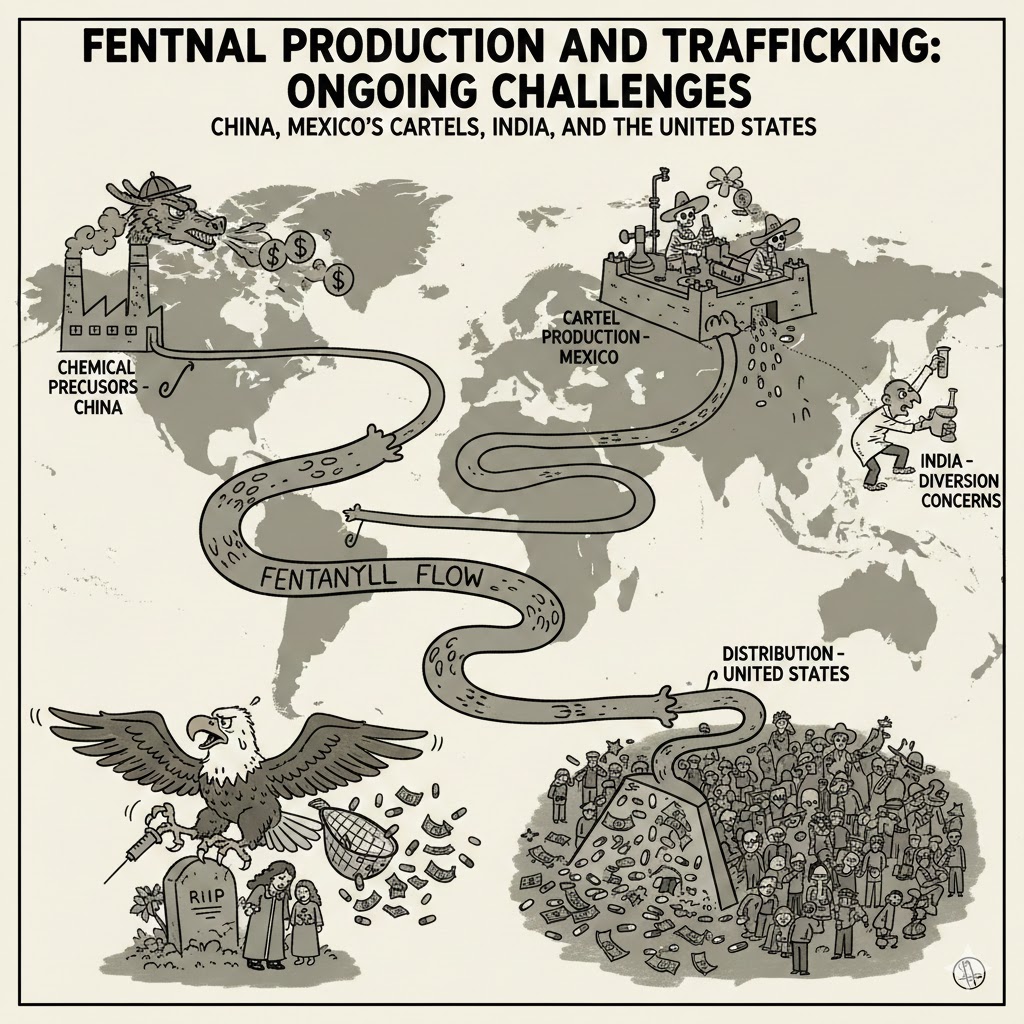
    Fentanyl precursors are allegedly shipped from China and India to Mexican Pacific ports such as Manzanillo. From there, it is alleged the Sinaloa Cartel and the Jalisco New Generation Cartel synthesize fentanyl and smuggle it across the U.S.-Mexico border. Trafficking methods may include private vehicles at ports of entry, tunnels, commercial freight, and increasingly drones. Cartels may also rely on social media platforms for distribution, money laundering coordination, and recruitment, operating networks that span more than 40 countries and major U.S. cities including Los Angeles and Chicago.

    While minor trafficking routes may include direct mail shipments from Asia or transit through Canada, the southwest border accounts for approximately 80 percent of U.S. fentanyl seizures. Emerging trends include widespread xylazine adulteration, now present in over 40 percent of tested samples, and the spread of nitazenes into Europe and Africa. Polydrug combinations have further heightened overdose risks. Declines in U.S. overdose deaths have been linked to tighter precursor controls and enforcement operations such as Customs and Border Protection’s Plaza Spike initiative in 2024. Nonetheless, cartel innovation and logistical flexibility continue to ensure supply continuity.

    V. Broader Challenges and Impacts

    The public health consequences of fentanyl trafficking remain severe. Synthetic opioids account for roughly 69 percent of U.S. overdose deaths, disproportionately affecting individuals aged 18 to 45. Xylazine contributes to severe tissue necrosis, while nitazenes significantly increase lethality when combined with other substances. From a security perspective, cartel violence in Mexico remains pervasive. Criminal groups are estimated to exert influence over roughly one-third of the country’s territory, fueling murder, extortion, and displacement. The fragmentation of the Sinaloa Cartel following the 2024 arrest of figures such as Ismael “El Mayo” Zambada has further intensified violence.

    Allegedly, money laundering networks linked to China and the use of cryptocurrency sustain cartel operations. These practices have prompted U.S. Financial Crimes Enforcement Network actions against Mexican financial institutions in 2025. Economically and diplomatically, the fentanyl crisis has been used to justify U.S. tariffs on China, Canada, and Mexico, even as overdose rates decline. Tensions persist over enforcement responsibilities, and trilateral cooperation has been strained by the designation of cartels as terrorist organizations. Regulatory challenges also remain, particularly concerning dual-use chemicals and entrenched corruption across supply chains.

    VI. Potential Solutions and Future Outlook

    Effective responses require enhanced monitoring of precursor chemicals, deeper intelligence sharing, and expanded harm reduction tools such as naloxone distribution and drug checking technologies. Demand side strategies, including expanded access to treatment and recovery services, remain essential. International cooperation is critical, with efforts such as expanded United Nations drug scheduling and resumed U.S.-China counternarcotics talks playing a key role. U.S.-Mexico extraditions increased in 2025, facilitating high-profile arrests and disrupting trafficking networks.

    Policy approaches should increasingly prioritize public health over militarization, while investing in economic development and alternative livelihoods in cartel-dominated regions of Mexico. Addressing poverty, inequality, and institutional corruption is essential to reducing the incentives that sustain organized crime. While recent declines in overdose deaths suggest cautious optimism, the continued adaptability of cartels and the ease of precursor diversion pose significant risks. Without sustained, coordinated action, the crisis could shift toward even deadlier synthetic substances.

    Thanks for reading The Brooks Brief Substack! This post is public so feel free to share it.

    Share

    VII. Conclusion

    The alleged fentanyl supply chain, driven by precursors from China and India, large-scale cartel production in Mexico, and trafficking into the United States, has experienced notable disruptions in recent years. Declines in overdose deaths and increased seizures in 2024 reflect meaningful progress in enforcement and regulation. However, this interconnected and adaptive system demands a comprehensive response that combines aggressive action against trafficking organizations, global regulatory coordination, and health-centered interventions. Only through sustained, multifaceted strategies can long-term progress be secured against the evolving threat of synthetic opioids.

  • The Arctic Gambit

    The Arctic Gambit

    How a U.S. Invasion of Greenland Could Shatter NATO


    Introduction

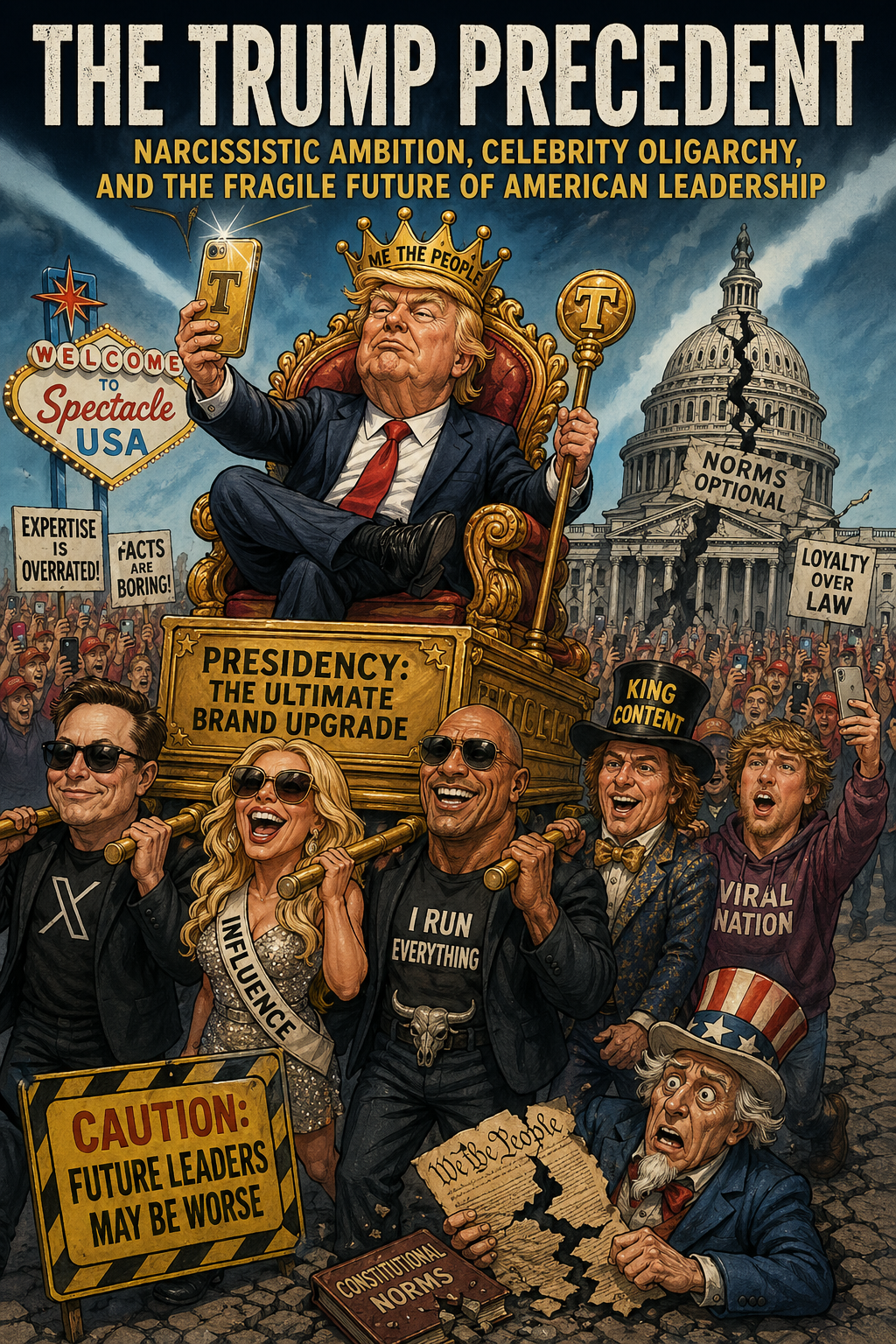
    In the frozen expanse of the Arctic, where melting ice caps expose untapped resources and newly accessible strategic corridors, a once unthinkable scenario is gaining plausibility: the United States, under a resurgent Donald Trump administration, launching a military invasion of Greenland. Framed as a move to secure rare earth minerals, potential oil reserves, and critical military positions amid intensifying great power competition, such an action would redraw global power dynamics and pose a direct threat to the survival of NATO.

    For decades, European NATO members have lagged behind the United States in military development, creating a structural imbalance that leaves the alliance fragile. When combined with America’s recent assertive behavior in resource rich regions such as Nigeria and Venezuela, a unilateral invasion of Greenland could fracture NATO beyond repair. Allies would be forced to confront the limits of collective defense in an era increasingly defined by transactional power politics.

    Historical Context of NATO Imbalances

    NATO was founded in the aftermath of World War II on the principle of collective defense, enshrined in Article 5, which treats an attack on one member as an attack on all. Over time, however, this principle has been undermined by persistent disparities in defense investment and military capability.

    The United States has consistently carried the alliance’s burden, exceeding NATO’s 2 percent of GDP defense spending benchmark and often spending between 3 and 4 percent. This investment funds advanced weapons systems, global force projection, nuclear deterrence, and intelligence capabilities that underpin NATO’s operational effectiveness.

    Many European allies, by contrast, have underinvested for decades. Germany, despite its economic strength, only recently approached the 2 percent threshold after years below 1.5 percent, leaving its military plagued by shortages and aging equipment. Italy and Spain have prioritized social spending over defense readiness, while France, though more capable, remains heavily reliant on U.S. intelligence, logistics, and airlift. This imbalance has fostered dependency and resentment, with Washington increasingly frustrated by what it perceives as free riding within the alliance.

    The U.S. Shift Toward Military Aggression Under Trump

    Donald Trump’s return to the White House in 2025 has transformed this frustration into policy. His administration has embraced a more assertive and openly transactional foreign policy rooted in “America First” militarism. During his first term, Trump famously proposed purchasing Greenland from Denmark, dismissing sovereignty concerns in favor of strategic utility. With climate change accelerating Arctic accessibility, that rhetoric now carries greater urgency.

    Recent U.S. actions abroad illustrate this shift. In Nigeria, American forces conducted targeted operations against Boko Haram factions threatening oil infrastructure in the Niger Delta, securing refineries and pipelines linked to global energy markets. In Venezuela, U.S. backed regime change efforts included direct military involvement aimed at stabilizing oil fields amid state collapse, ensuring continued access to vast petroleum reserves. Both cases reflect a willingness to use force to protect economic and strategic interests without multilateral consensus.

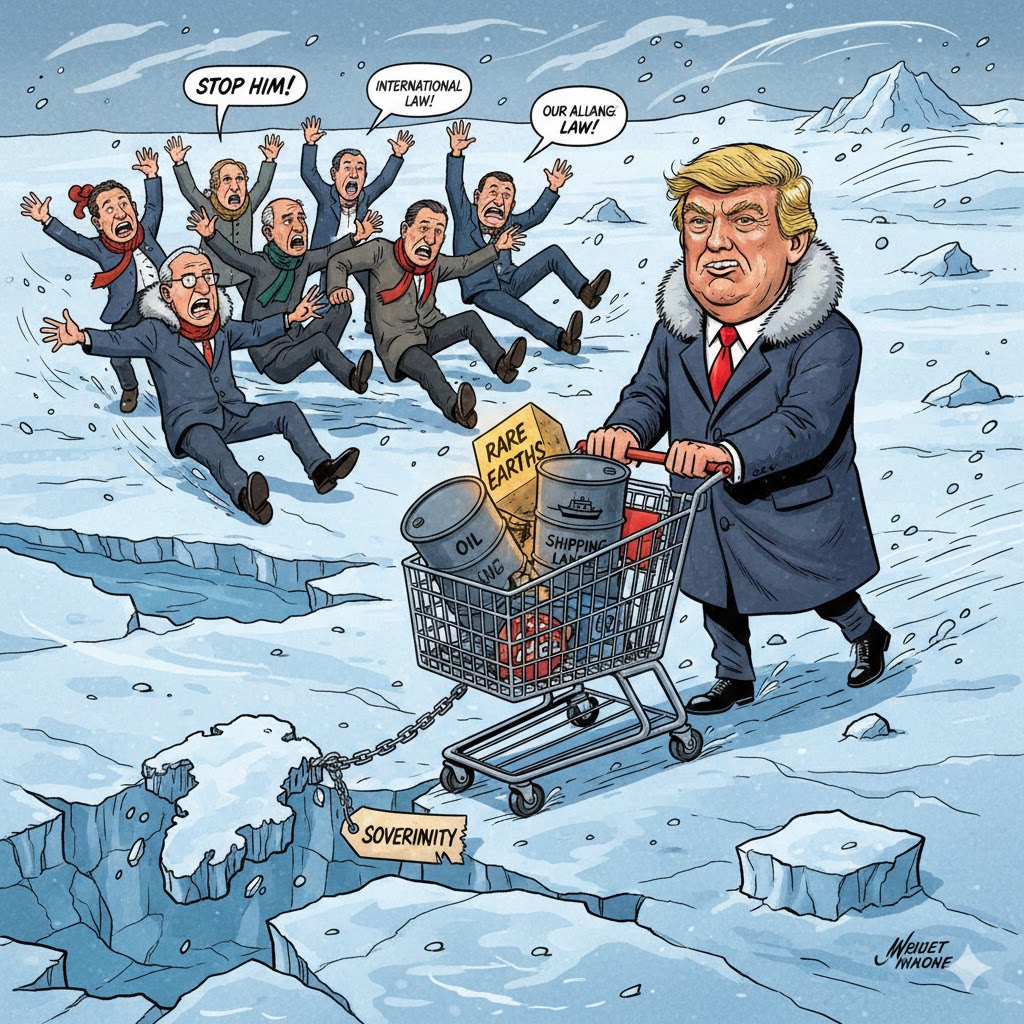
    Greenland fits seamlessly into this pattern. Its rare earth minerals are essential to green energy technologies and advanced weapons systems, while its geographic position offers control over emerging Arctic shipping lanes. In a transactional worldview, Danish sovereignty becomes a negotiable obstacle. An invasion could be framed as a security necessity, but it would represent a dramatic escalation from coercive diplomacy to outright force.

    Potential Ramifications for NATO if the U.S. Invades Greenland

    A U.S. invasion of Greenland would strike at NATO’s core. Greenland, though autonomous, remains under Danish sovereignty, and Denmark is a founding NATO member. In theory, such an attack would trigger Article 5. In practice, Europe’s limited rapid response capacity, insufficient Arctic forces, and reliance on U.S. intelligence and logistics would make meaningful resistance unlikely.

    This paralysis would fracture the alliance. Some states might hesitate, citing domestic opposition or operational constraints, effectively nullifying collective defense. Trust, the foundation of NATO, would erode rapidly as accusations of American imperialism reverberated across European capitals.

    Rival powers would exploit the turmoil. Russia could expand Arctic military patrols and submarine activity, while China might accelerate resource claims and infrastructure investments. The result would be a destabilized Arctic and a weakened Western security architecture.

    In this context, a radical but conceivable outcome emerges: NATO expelling the United States from the alliance. While unprecedented, treaty mechanisms and political consensus could make such a move possible. European states, likely rallying behind Denmark and supported by Greenlandic independence movements, could frame expulsion as a defense of NATO’s founding principles. This would invert the conflict, transforming America from alliance leader to strategic adversary and reshaping global power alignments overnight.

    Thanks for reading The Brooks Brief Substack! This post is public so feel free to share it.

    Share

    Policy Recommendations and Conclusion

    Preventing such a rupture requires decisive action. European NATO members must rapidly increase defense spending beyond the 2 percent benchmark, focusing on modernization, readiness, and Arctic capabilities. Joint procurement programs and coordinated Arctic exercises could reduce dependence on U.S. military infrastructure.

    Diplomatically, multilateral frameworks should be strengthened to address Arctic resource competition. Negotiated access to Greenland’s resources under international oversight would offer a viable alternative to force. At the same time, NATO must clarify enforcement mechanisms and consequences for treaty violations, including expulsion protocols, to preserve institutional credibility.

    A U.S. invasion of Greenland would be a watershed moment. Without correcting internal imbalances and restraining unilateral aggression, NATO risks becoming obsolete in a world increasingly driven by resource competition and power politics. The alliance’s survival depends on restoring equilibrium, mutual accountability, and respect for sovereignty, before strategic rivalry turns former allies into open adversaries.

  • Venezuela’s Silent Revolution

    Venezuela’s Silent Revolution

    How the U.S. Ouster of Maduro Muzzled a Nation


    Operation Absolute Resolve and the Promise of Liberation

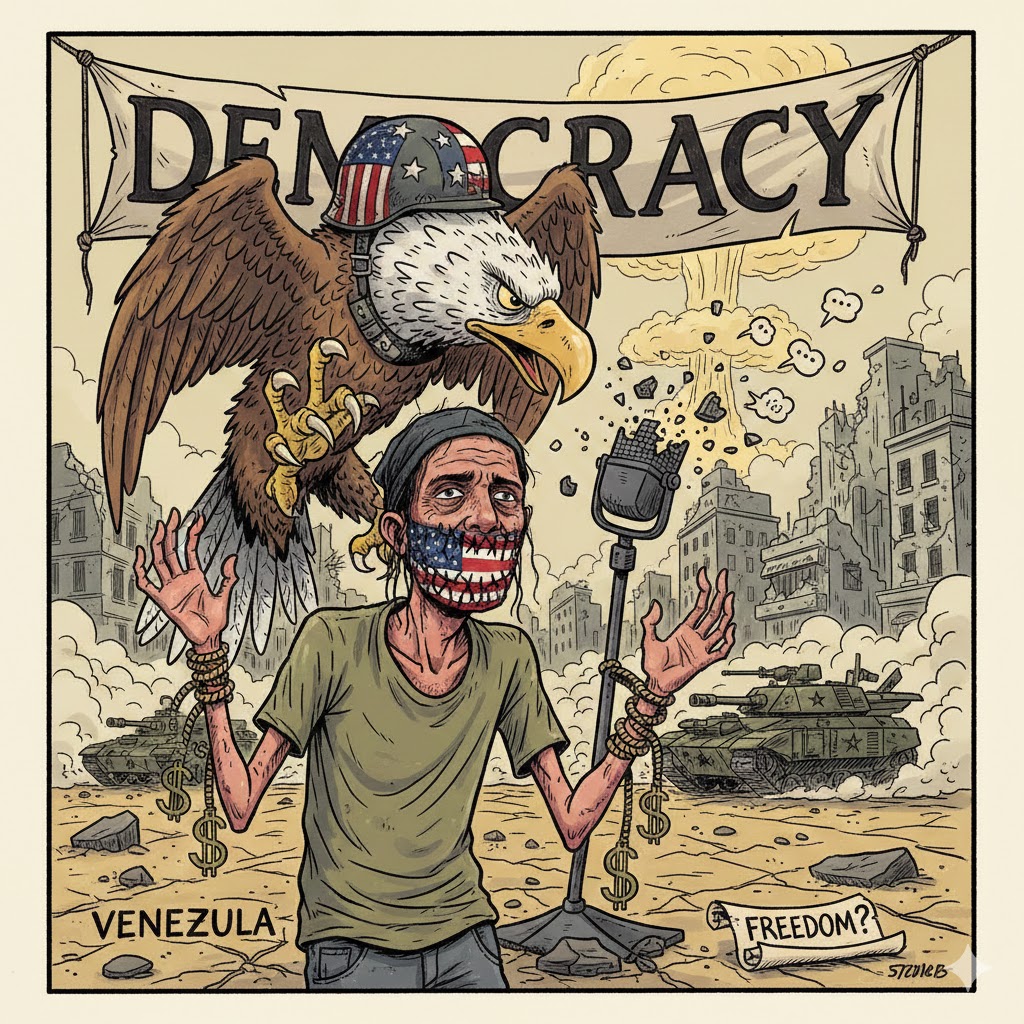
    In the early hours of January 3, 2026, American forces entered Caracas under an operation labeled Operation Absolute Resolve, capturing President Nicolás Maduro and his wife, Cilia Flores, on charges of narco terrorism and election fraud. President Donald Trump quickly framed the raid as a decisive victory against a failed state, asserting that the United States would help guide Venezuela toward stability and reform. The announcement was delivered with familiar rhetoric about restoring order, eliminating corruption, and giving the Venezuelan people a fresh start. International attention briefly focused on the dramatic nature of the arrest and the symbolism of removing a long sanctioned leader. For many observers, the moment appeared to signal the end of an era defined by repression and economic collapse. Expectations of rapid democratic transition rose almost immediately.

    Within days, however, the reality on the ground diverged sharply from those expectations. Rather than experiencing political liberation, Venezuelans found themselves suspended in uncertainty and silence. Public dissent remained dangerous, and the structures that had enforced loyalty under Maduro showed no sign of weakening. The promised transformation failed to materialize as ordinary citizens encountered the same restrictions on speech, assembly, and political participation. Instead of opening space for reform, the intervention reinforced a sense of powerlessness. The gap between American declarations and lived Venezuelan reality widened with each passing day.

    Thanks for reading The Brooks Brief Substack! Subscribe for free to receive new posts and support my work.

    Continuity of Power Under a New Face

    The appointment of Delcy Rodríguez as interim president underscored the continuity of Venezuela’s ruling elite. Rodríguez, a long standing ally of Maduro and vice president since 2018, has been deeply embedded in the country’s political, economic, and security apparatus for years. Sworn in by the Supreme Court under constitutional provisions intended for temporary leadership, she denounced Maduro’s capture as a kidnapping and pledged loyalty to Maduro. Her elevation was backed by powerful insiders, including Maduro’s son and senior party figures. To many Venezuelans, the change in leadership probably feels cosmetic rather than transformative. The same networks of influence and control remain firmly in place.

    For a population already exhausted by hyperinflation, shortages, and mass emigration, Rodríguez’s leadership may offer little hope of relief. Her government has continued to rely on entrenched institutions that prioritize regime survival over public accountability. Efforts to purge internal rivals and consolidate authority have reinforced the sense that political renewal is not on the agenda. Economic ties to favored elites remain intact, while opposition voices are further marginalized. The promise of a clean break from the past has instead been replaced by familiar patterns of governance. In effect, the system endured, merely reshaped around a different figurehead.

    Between Occupation Narratives and Suppressed Dissent

    Alongside domestic continuity, a competing narrative has taken hold that the United States is now effectively directing Venezuela’s future. President Trump has publicly suggested American oversight of reconstruction efforts and even raised the prospect of extracting Venezuelan oil as compensation. These statements have fueled fears of external domination rather than partnership. At the same time, senior Venezuelan officials have rejected any notion of U.S. authority. Interior Minister Diosdado Cabello has described the operation as an occupation and called for revenge.

    This clash of narratives has further narrowed the space for public expression. Citizens who question the legitimacy of Rodríguez’s government risk repression, while those who appear sympathetic to American involvement are labeled traitors. Security forces accused of past human rights abuses continue to operate with broad discretion. Anti imperialist rhetoric is used to justify crackdowns and silence criticism. As a result, Venezuelans are caught between competing power centers that both limit their agency. The outcome is deeper polarization and a chilling effect on already fragile civil liberties.

    Thanks for reading The Brooks Brief Substack! This post is public so feel free to share it.

    Share

    The Absence of Elections and the Erosion of Sovereignty

    The constitutional path out of this crisis remains conspicuously blocked. Venezuela’s constitution mandates that a new election be held within 30 days of a president’s permanent absence, a safeguard designed to protect democratic legitimacy. Despite this provision, no serious effort has been made to organize or enforce such a vote. The United States has prioritized reconstruction and stability over electoral timelines, explicitly ruling out near term elections. Meanwhile, Venezuela’s judiciary has remained silent, declining to assert its constitutional responsibilities. The result is an open ended interim presidency with no clear mandate from the public.

    This prolonged suspension of electoral rights has deepened public disillusionment. Maduro’s last reelection was widely criticized as fraudulent, a claim later reinforced by international indictments and investigations. Yet the intervention justified as a corrective to that fraud has failed to restore the basic mechanism of democratic choice. Instead, Venezuelans are left without representation or recourse. Sovereignty has eroded not through open reform but through stagnation and external influence. Until credible elections are held and institutions regain independence, the Venezuelan people remain observers rather than participants in shaping their future.