political science
-

Strike First or Resolve First?
The analysis explores the complexities of conflict with Iran, emphasizing the need for resolution over military escalation. It argues that prior to military action, policymakers should exhaust diplomatic avenues, considering the long-term consequences of war. Understanding adversaries’ intentions and fostering perspective alignment can prevent unnecessary violence and costly misunderstandings.
-
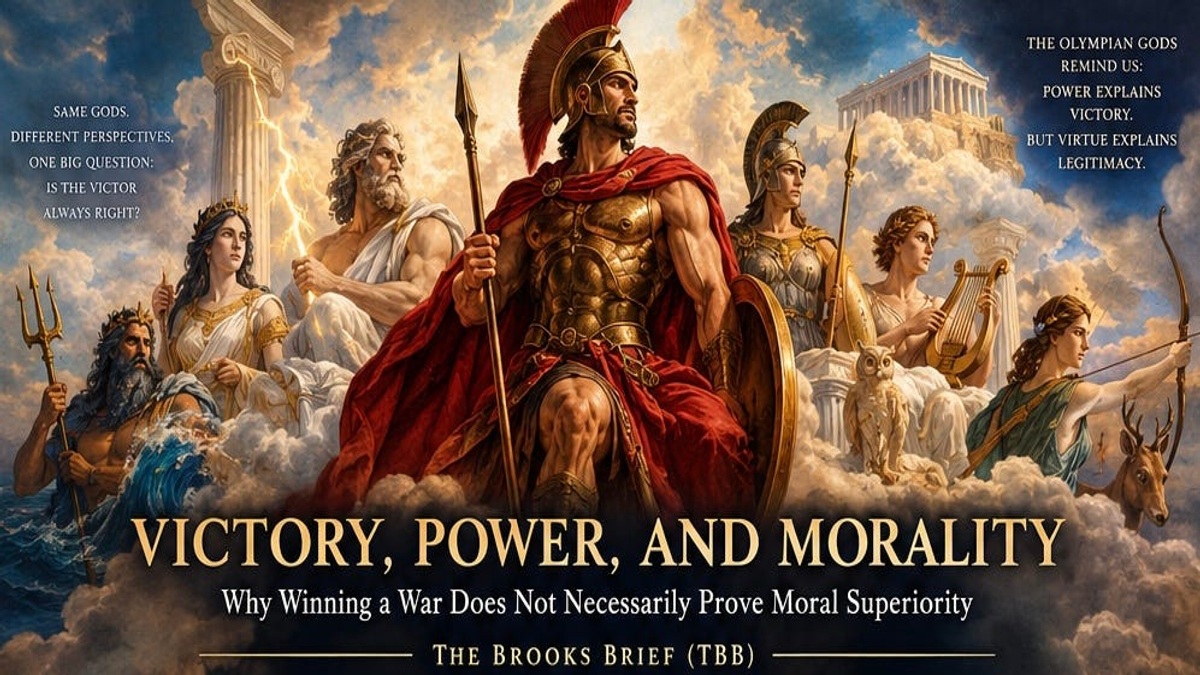
Victory, Power, and Morality
The article examines the misconception that military victory equates to moral superiority. It emphasizes that victory often reflects material capability rather than ethical legitimacy, as winning sides exploit advantages like technology or resources. A thorough analysis must distinguish between military success and the legitimacy of political objectives, advocating for consistent moral evaluation of all actors…
-

Beyond the Wall
The American notion of church-state separation is experiencing significant constitutional tension. The First Amendment’s dual clauses promote both the establishment and free exercise of religion, leading to modern debates on religious accommodation versus separation. This evolving framework affects institutional autonomy, political influence, and judicial interpretations, particularly concerning organizations like the Catholic Church.
-

From the League of Nations to the Global Council
War, Sovereignty, and the Evolution of Global Governance Introduction: Global Order After Global War Global governance develops when sovereign nations recognize that certain problems cannot be contained within national borders. Wars, pandemics, environmental disasters, economic crises, mass migration, and advanced weapons can affect countries far removed from where the original problem began. Yet every attempt…
-

The Sovereign of Sovereigns
Divine Authority, Popular Sovereignty, and the Limits of Political Power Introduction: What Makes a Sovereign Sovereign? Political science normally defines sovereignty as the highest governing authority within a particular political order, but that definition immediately raises a deeper question: what, if anything, stands above the sovereign? The God of Gods. A state cannot declare itself…
-
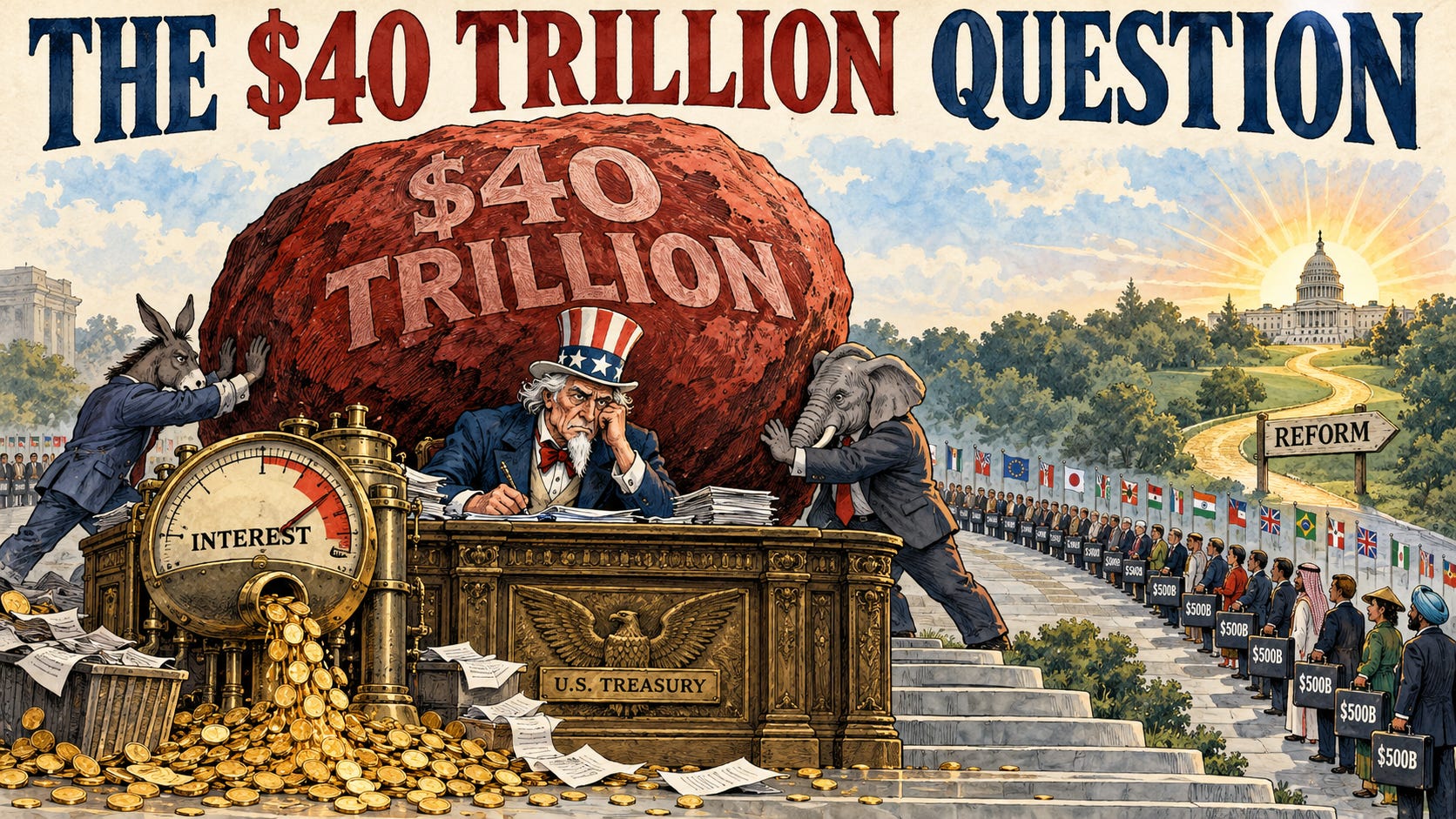
The $40 Trillion Question
How the United States Can Escape Its Debt Crisis Without Crashing the Economy Executive Summary A federal debt approaching $40 trillion would represent more than an accounting problem. It would constrain public policy by directing an increasing share of federal revenue toward interest instead of defense, infrastructure, healthcare, education, scientific research, or emergency preparedness. The…
-
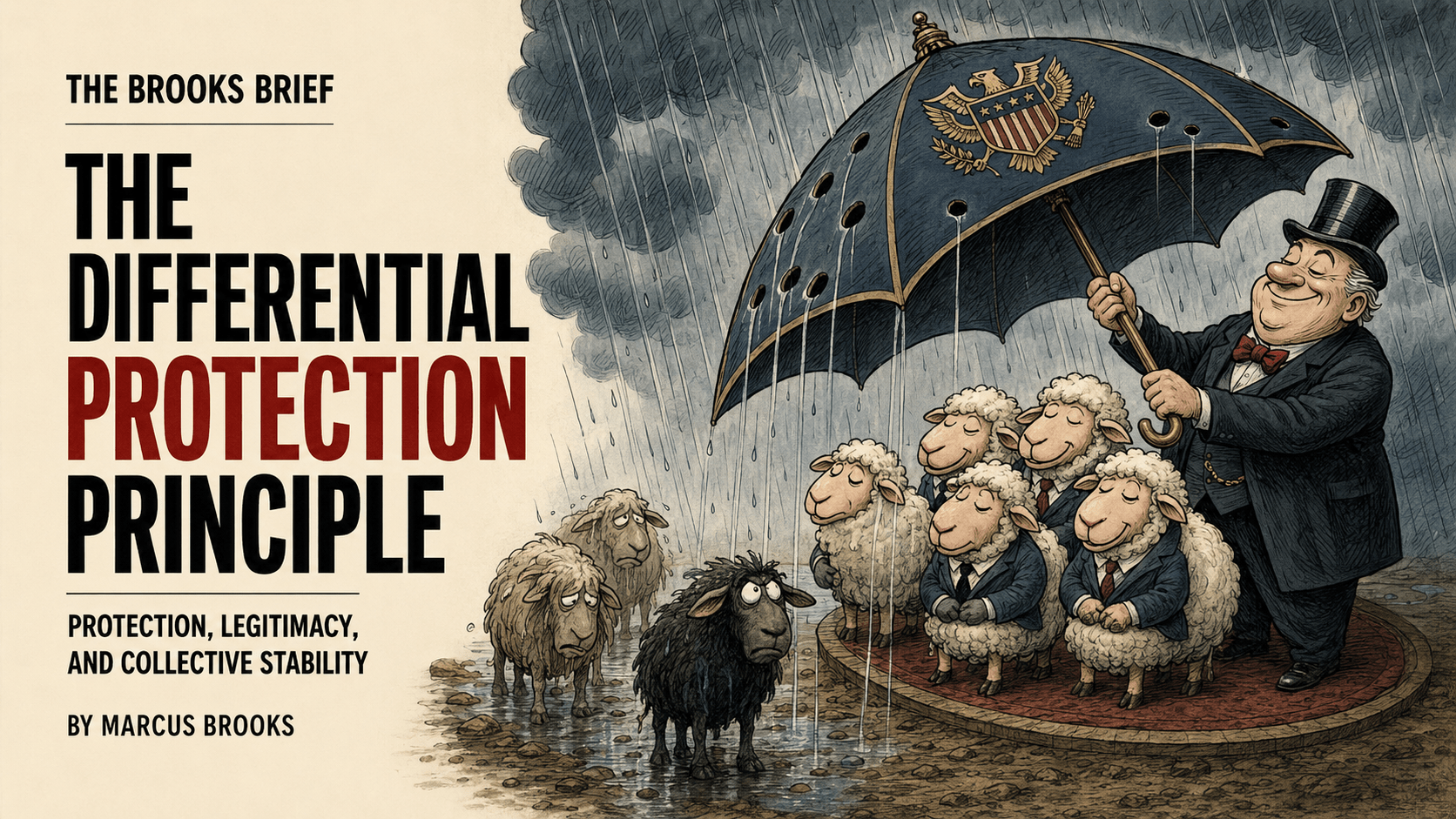
The Differential Protection Principle
How Perceived Unequal Protection Shapes Legitimacy, Loyalty, and Collective Stability Executive Summary Human beings form collectives because organized cooperation can provide more security, opportunity, and stability than isolated action. Governments, political parties, corporations, alliances, religious institutions, social movements, and families all ask their members to accept obligations in exchange for some form of protection. Yet…
-

Breaking the Cycle
Causes of the Iran-Israel-United States Conflict and Paths Beyond Heavy-Handed Failure I. Introduction The conflict linking Iran, Israel, and the United States is best understood as a long strategic rivalry rather than a morality play with one innocent side and one uniquely aggressive side. Each government acts from a different combination of regime security, ideology,…
-

The Differential Protection Principle
How Unequal Protection Shapes Political Loyalty, Institutional Trust, and Collective Stability Executive Summary Political scientists have long examined why individuals join collective institutions despite the limitations those institutions place on personal freedom. The Herd Cohesion Principle argued that individuals willingly sacrifice some autonomy because membership within a collective provides greater security, stability, and opportunity than…
-

The Free Will Doctrine and International Human Rights
A New Framework for Understanding Rights and Law Introduction The international human rights system is often presented as a collection of universal freedoms that belong to every person simply because they are human. Documents such as the Universal Declaration of Human Rights establish principles intended to protect dignity, liberty, and equality across nations. While these…
Search
Categories
Tags
AI american foreign policy American Politics artificial intelligence Church and State conflict resolution Constitutional Law counterintelligence declaration of independence De Facto Authority Diplomacy divine sovereignty economic policy economy epstein files Global Governance healthcare human rights inflation international law international relations iran iran conflict Mtb Entertainment national debt National Sovereignty peacebuilding polarization political analysis political legitimacy political science political theory robot tax Security Dilemma social science social sciences Sovereign of Sovereigns the brooks brief Trump ubi united nations united states United States foreign policy united states policy universal basic income