political analysis
-

The Enforcement Gap
Rethinking International Law Through Shared Sovereignty Executive Summary The international system has undergone remarkable transformation since the end of the Second World War. Nations have established treaties governing trade, diplomacy, human rights, maritime navigation, aviation, environmental protection, and the conduct of armed conflict. International organizations have expanded cooperation in nearly every area of global affairs,…
-

The Universal Pattern Theory
Diversity, Convergence, and the Recurring Structures of Intelligent Civilization Executive Summary For generations, humanity has debated one of the most profound questions imaginable: if intelligent life exists elsewhere in the universe, would it resemble us or would it be so fundamentally different that meaningful comparison becomes impossible? Popular culture, scientific speculation, and philosophical inquiry have…
-

The Universal Constraint Principle
Constraints, Technology, and the Limits of Civilization Executive Summary Throughout history, scholars have attempted to explain why civilizations often develop similar institutions, technologies, and social structures despite significant differences in geography, culture, and historical experience. Traditional explanations frequently focus on common ancestry, cultural diffusion, environmental influences, or the actions of individual leaders. While these factors…
-

The Divergence-Convergence Principle
Reconciling the Civilizational Distance Principle and the Common Design Principle Executive Summary The search for intelligent life and the study of civilization frequently produce two observations that appear contradictory. The first observation is that societies, cultures, species, and civilizations often become increasingly different as they develop independently across time and space. The second observation is…
-
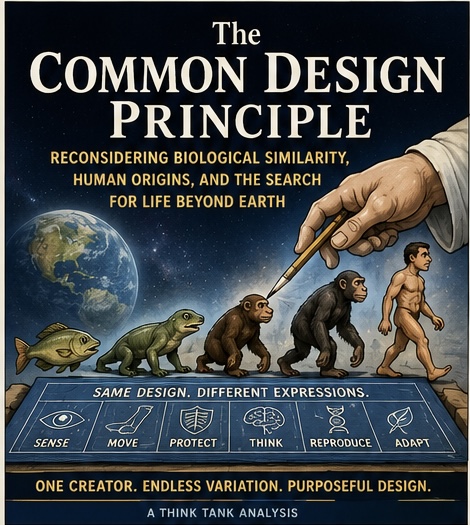
The Common Design Principle
Reconsidering Biological Similarity, Human Origins, and the Search for Life Beyond Earth Executive Summary For more than a century, the dominant scientific explanation for biological similarity has been the theory of evolution through natural selection. According to this framework, organisms share common features because they descend from common ancestors and have been shaped by environmental…
-
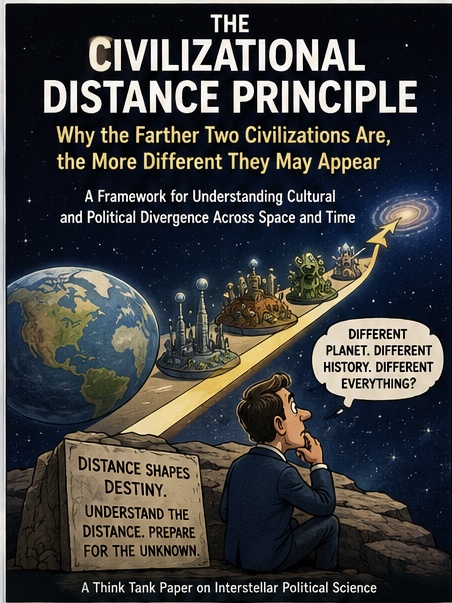
The Civilizational Distance Principle
A Framework for Understanding Cultural and Political Divergence Across Space and Time Executive Summary The search for intelligent life beyond Earth has traditionally focused on questions of technology, biology, and astronomy. Discussions often center on how advanced extraterrestrial civilizations might be, whether they possess superior technology, and what risks or opportunities contact might create for…
-
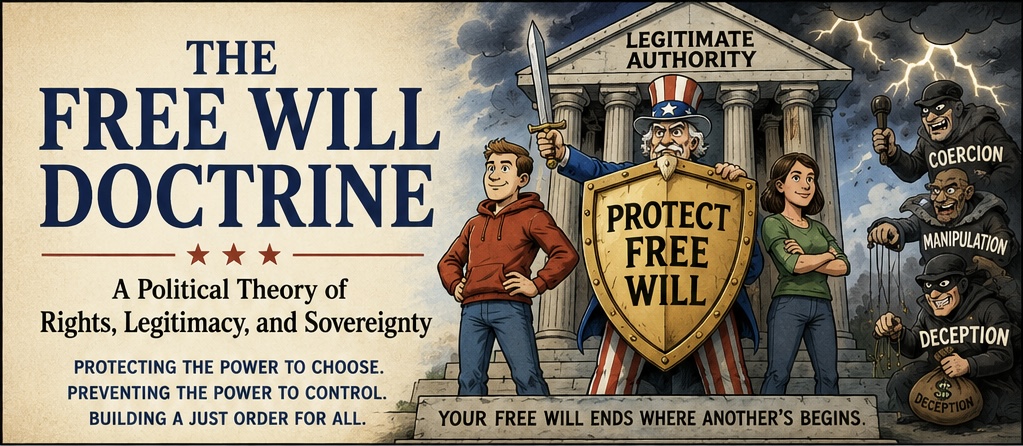
The Free Will Doctrine
Reimagining Law Through the Protection of Individual Choice Executive Summary Political philosophers, religious thinkers, and legal scholars have spent centuries debating the origins of rights and the legitimate purpose of government. Some traditions argue that rights are granted by God, while others maintain that rights arise from social contracts negotiated among individuals. Modern democratic societies…
-

The First Contact Governance Problem
Conflict Resolution Between Earth, Galactic Governance, Universal Law, and Divine Law Executive Summary Most discussions regarding extraterrestrial contact focus on technological superiority, military capabilities, and the economic consequences of discovering intelligent life beyond Earth. Such analyses frequently assume that any civilization capable of interstellar travel would naturally occupy the highest position in a hierarchy of…
-
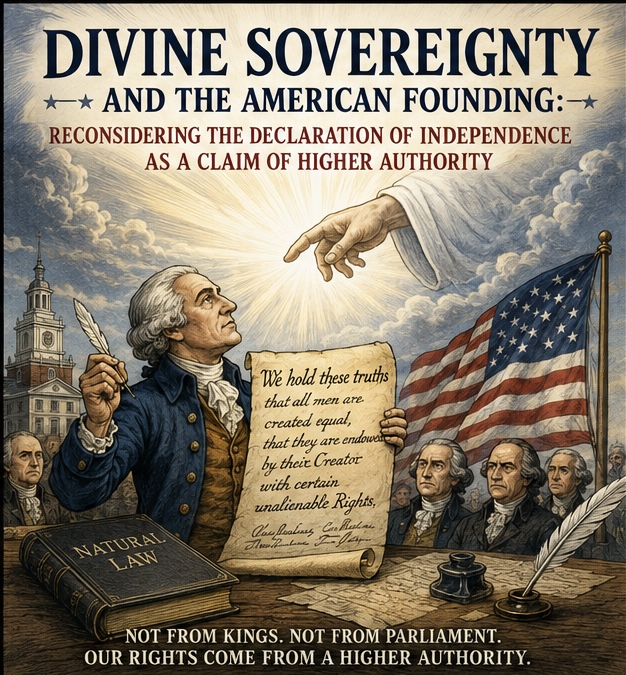
Divine Sovereignty and the American Founding
Reconsidering the Declaration of Independence as a Claim of Higher Authority Executive Summary The origins of American sovereignty are typically explained through the concepts of constitutional government and popular sovereignty. Under the conventional understanding, governmental authority is derived from the consent of the governed and exercised through institutions created by the Constitution. This framework has…
-

Divine Jurisdiction, the First Amendment, and the Foundations of American Sovereignty
A Theoretical Legal and Political Analysis Introduction The United States Constitution is widely regarded as the supreme law of the land. Federal courts, Congress, and the executive branch derive their authority from the constitutional framework established by the Founding Fathers. Yet beneath the constitutional structure lies a deeper philosophical question concerning the ultimate source of…
Search
Categories
Tags
AI american foreign policy American Politics artificial intelligence Church and State conflict resolution Constitutional Law counterintelligence declaration of independence De Facto Authority Diplomacy divine sovereignty economic policy economy epstein files Global Governance healthcare human rights inflation international law international relations iran iran conflict Mtb Entertainment national debt National Sovereignty peacebuilding polarization political analysis political legitimacy political science political theory robot tax Security Dilemma social science social sciences Sovereign of Sovereigns the brooks brief Trump ubi united nations united states United States foreign policy united states policy universal basic income