political analysis
-
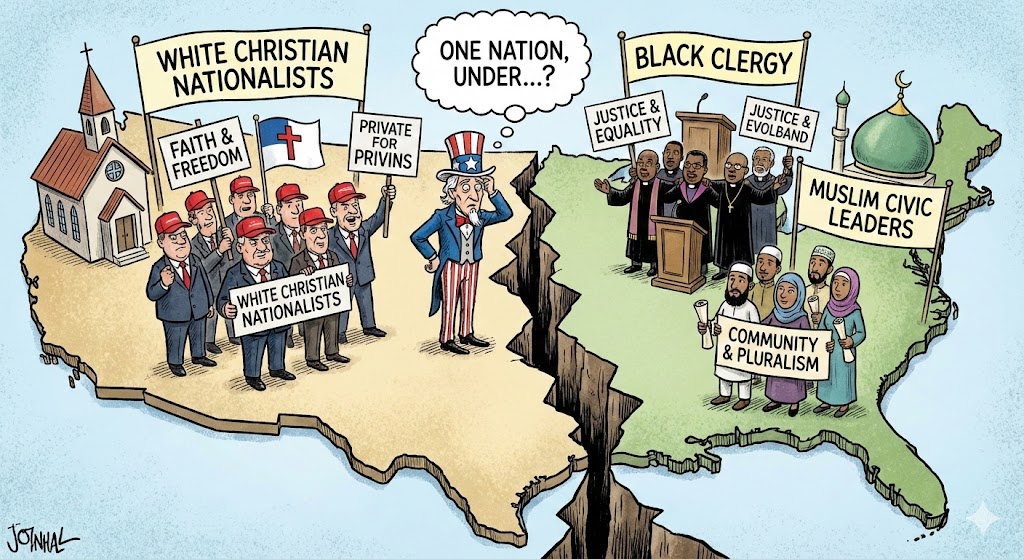
Faith, Power, and Pluralism in American Politics
The dynamics between various religious groups in the U.S. significantly influence democracy. White Christian nationalism promotes exclusion, while Black churches, Jewish communities, and Muslim Americans advocate for inclusivity and civic engagement. These differing approaches illustrate competing visions of democracy, emphasizing that the future of American pluralism depends on which frameworks dominate.
-
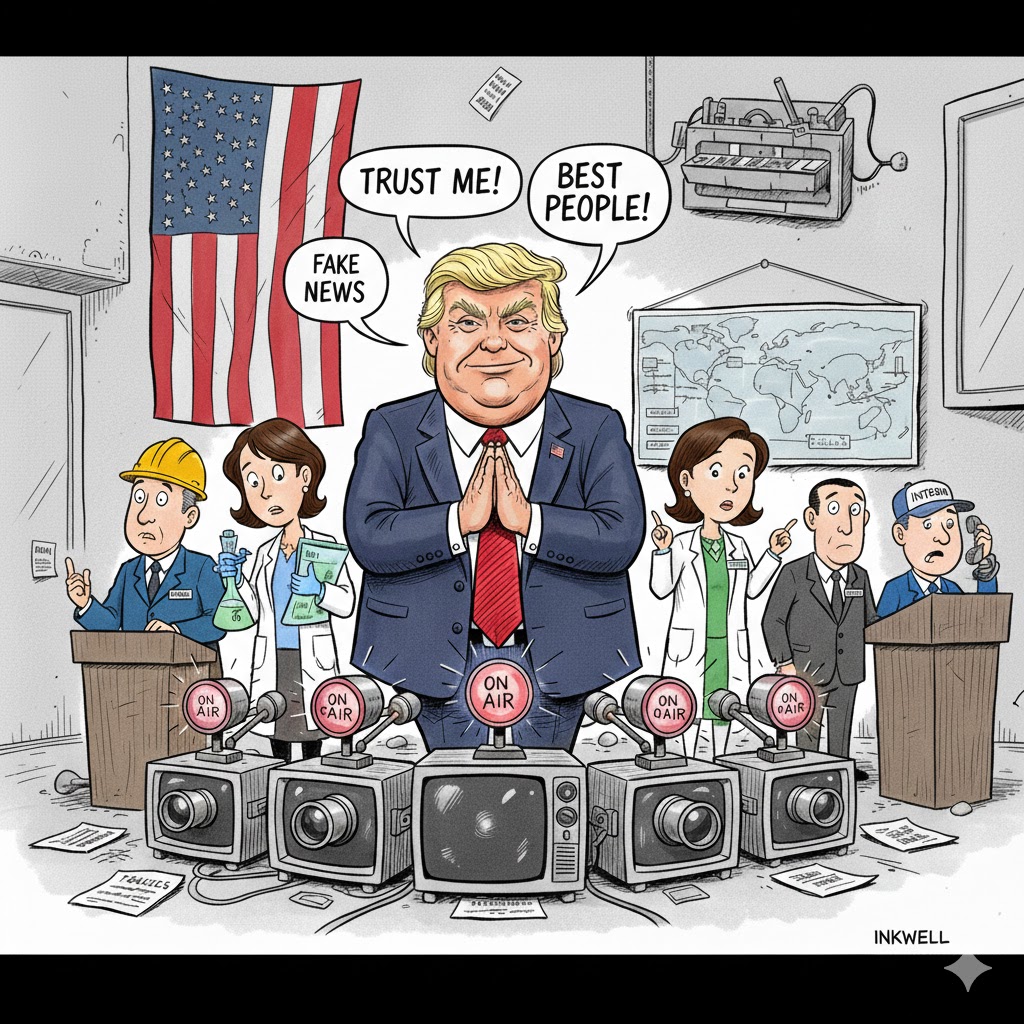
The Hypocrisy of Trump’s Meritocracy Claims and Broken Promises
Donald Trump has repeatedly championed meritocracy, economic relief, law and order, and government accountability. This analysis examines the gap between those promises and his administration’s actions, exploring loyalty politics, abandoned economic pledges, Project 2025, selective enforcement, and the broader consequences these contradictions may have for public trust in American democracy.
-
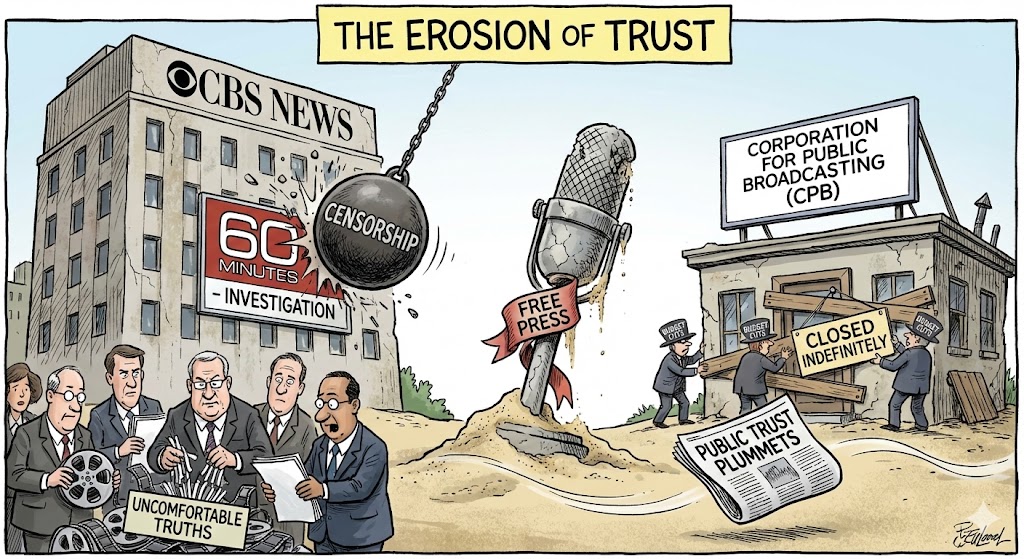
Media Polarization and the Collapse of Shared Truth
The American press faces a crisis driven by disinformation, political pressure, and concentrated ownership, undermining its role as an independent democratic institution. Trust in media has deteriorated as journalism is increasingly viewed through a partisan lens. Preserving press freedom requires structural reforms to uphold accountability and diverse ownership models.
-
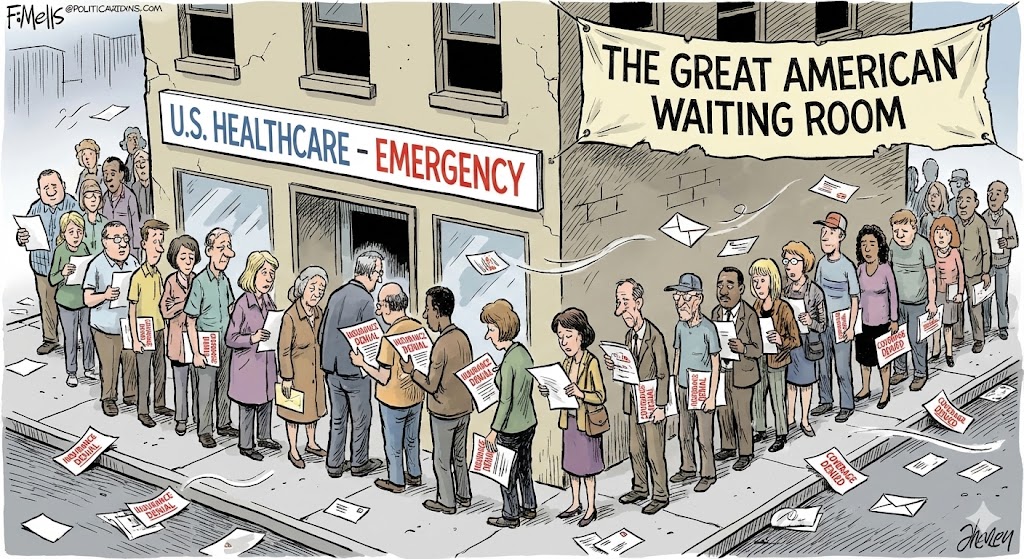
The Crumbling Promise of Affordable Healthcare
The Affordable Care Act (ACA) has significantly improved healthcare access in the U.S. but faces challenges of rising premiums and partisan gridlock. As enhanced subsidies expire, many Americans risk losing coverage, relying on crowdfunding to afford care. Political inaction exacerbates healthcare disparities, highlighting the urgent need for bipartisan reform to stabilize the system.
-
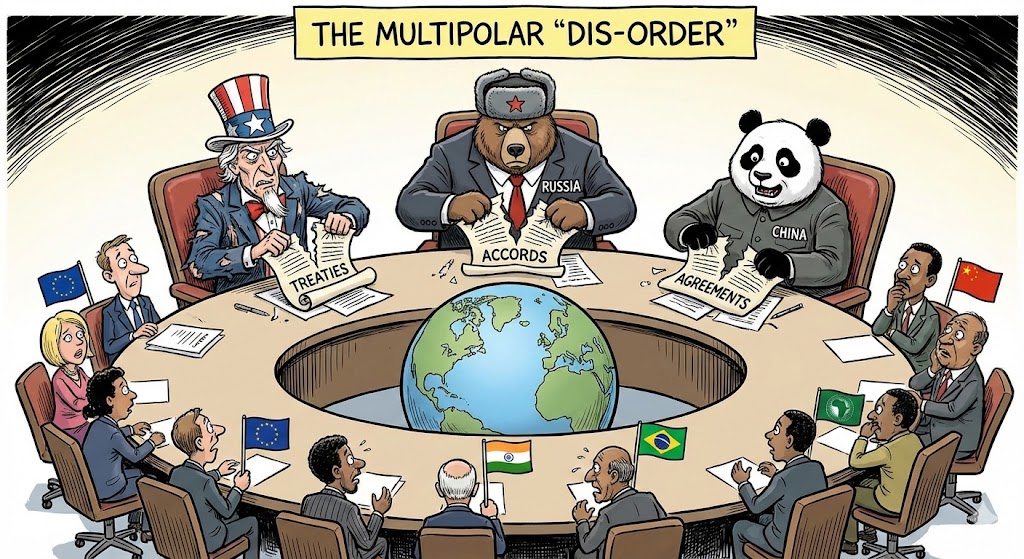
Navigating the New World Order
In 2026, U.S. ambitions to acquire Greenland strained NATO ties, signaling a shift from U.S. dominance to multipolarity. This retreat emboldened rivals like Russia and China, while Canada aligned more closely with Beijing through new trade agreements. Domestic vulnerabilities in the U.S. compound its diminishing global influence, prompting a fragmented international order.
-

Political Parties as Institutions of Power, Not Representation
Political parties play a crucial role in democracies by organizing elections and reflecting voter preferences. However, they often prioritize elite interests over genuine representation, leading to public disillusionment. Responsiveness to public opinion is essential; parties that adapt can enhance democratic engagement, while those that protect elite power risk instability and erosion of trust.
-
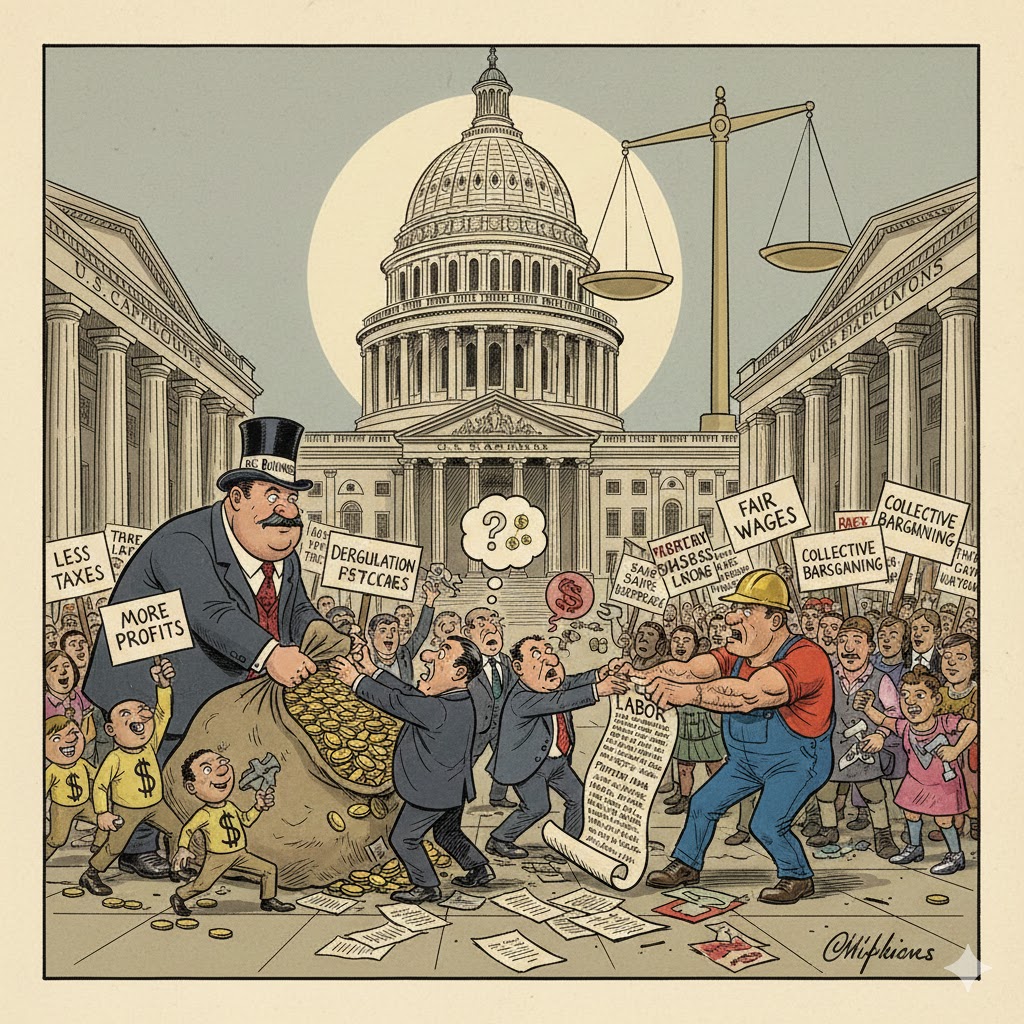
Corporate Influence in Democracy
This article discusses the undue influence of corporations in democracy through lobbying and regulatory capture, which distort public policy in favor of corporate interests. It advocates for mandatory union formation to empower workers, enabling them to counterbalance corporate power. Effective reforms depend on enhancing worker organizations to restore political equity.
-

Inflation, Wages, and the Political Lie Everyone Accepts
How Sanitized Statistics Protect Power While Families Fall Behind Amid polished economic briefings and optimistic announcements from Washington, a quiet but consequential deception continues to shape the lives of everyday Americans. Official data suggests inflation is under control and wages are improving within a stable economy. For countless families, however, reality tells a different story.…
-
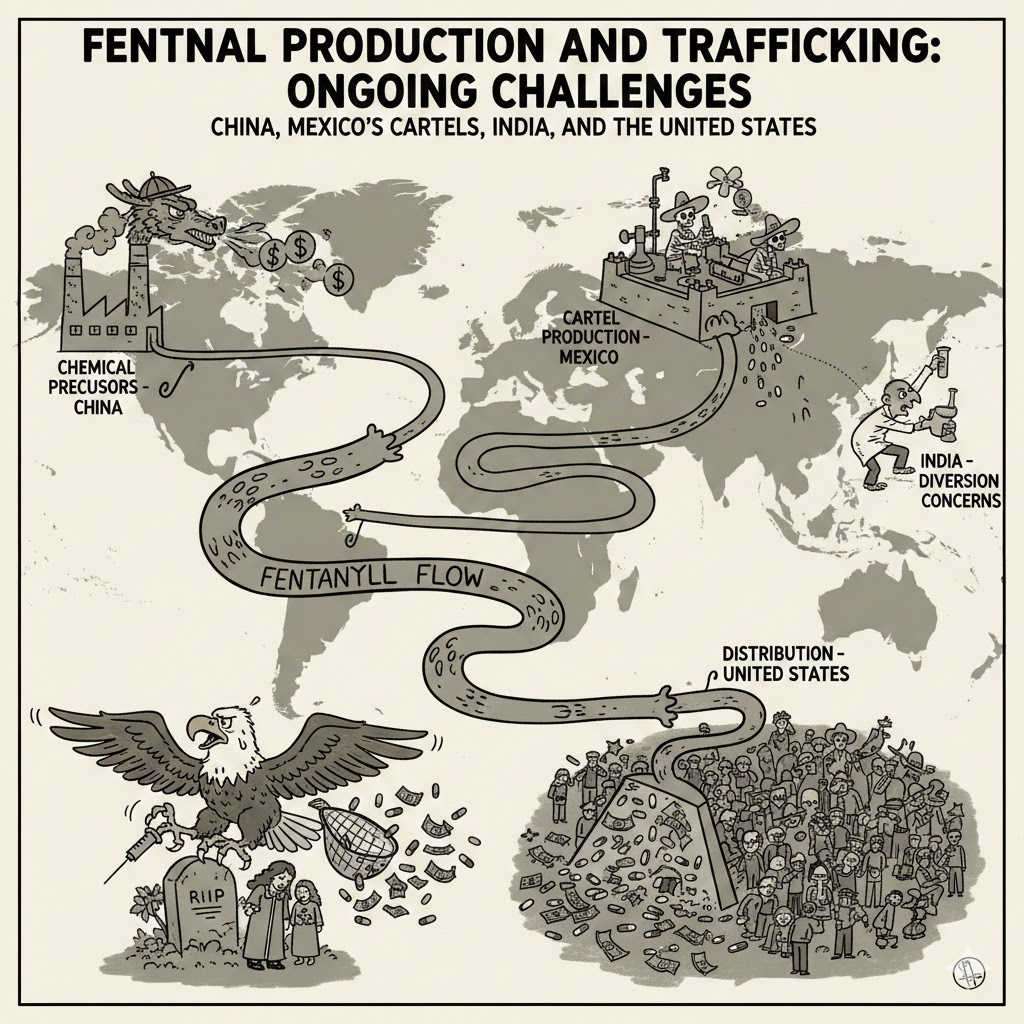
Fentanyl Production and Trafficking
The fentanyl crisis in the U.S. persists as a significant public health issue, governed by global dynamics involving China and India as key suppliers, and Mexican cartels as primary producers. Although recent policies have decreased overdose deaths, the adaptable trafficking networks continue to pose serious challenges, necessitating coordinated international action and public health strategies.
-

The Origins and Reluctance Toward Political Parties in the United States
Political parties in the U.S. emerged organically, contrary to the founders’ concerns about divisiveness and corruption. Historical parties reflect evolving American priorities, from Federalists to Democrats and Republicans. Today’s hyper-partisanship erodes national unity, as loyalty to parties often overshadows shared American identity, calling for a return to compromise and collaboration.
Search
Categories
Tags
AI american foreign policy American Politics artificial intelligence Church and State conflict resolution Constitutional Law counterintelligence declaration of independence De Facto Authority Diplomacy divine sovereignty economic policy economy epstein files Global Governance healthcare human rights inflation international law international relations iran iran conflict Mtb Entertainment national debt National Sovereignty peacebuilding polarization political analysis political legitimacy political science political theory robot tax Security Dilemma social science social sciences Sovereign of Sovereigns the brooks brief Trump ubi united nations united states United States foreign policy united states policy universal basic income