Political Opinion
-
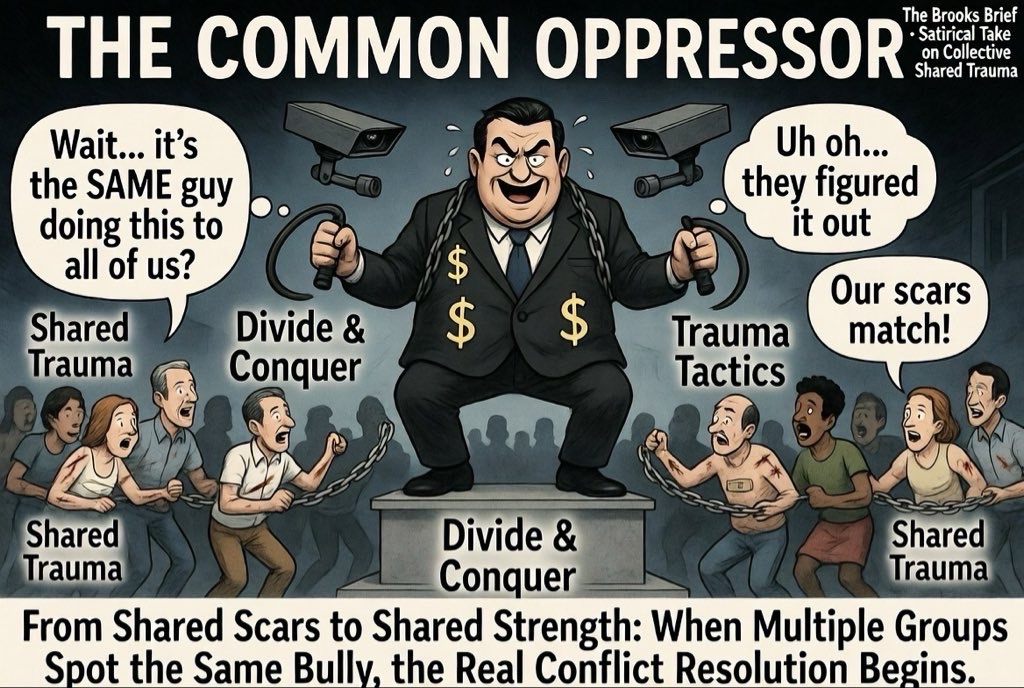
From Shared Scars to Shared Strength
Leveraging Collective Shared Trauma for Conflict Resolution Executive Summary Trauma shapes not only individuals but entire societies. When experienced within a single group, it often reinforces internal divisions, heightens suspicion, and perpetuates cycles of violence. By contrast, a phenomenon we term collective shared trauma occurs when multiple, historically distinct groups experience harm from the same source. This…
-
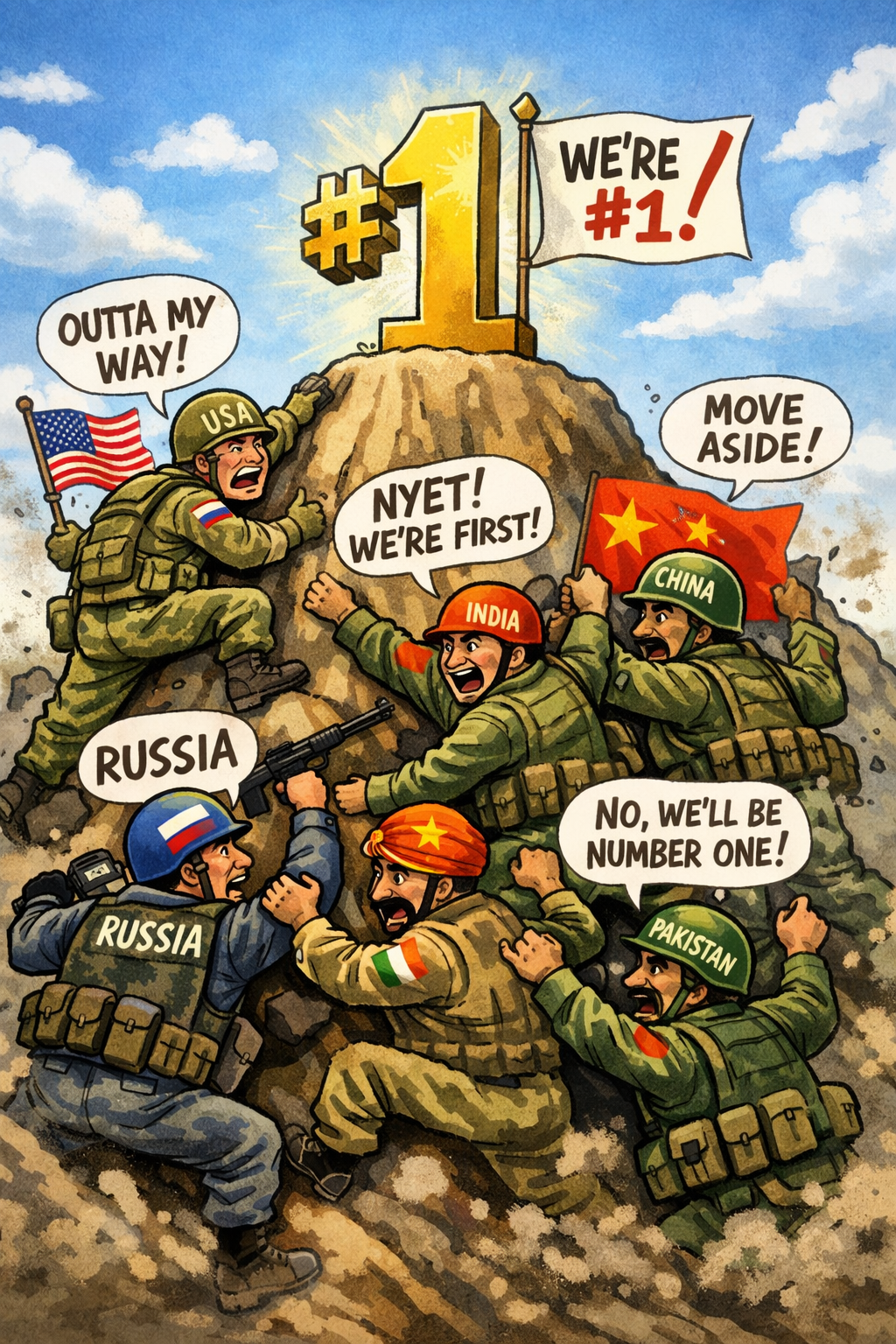
Reassessing the Global Military Balance
Political Leverage in the World’s Top Five Armies Introduction In an era of intensifying great power competition, military rankings based solely on quantitative metrics such as manpower, equipment inventories, and defense budgets fail to capture the deeper drivers of geopolitical influence. A political lens provides a more accurate understanding of how the world’s leading armed…
-
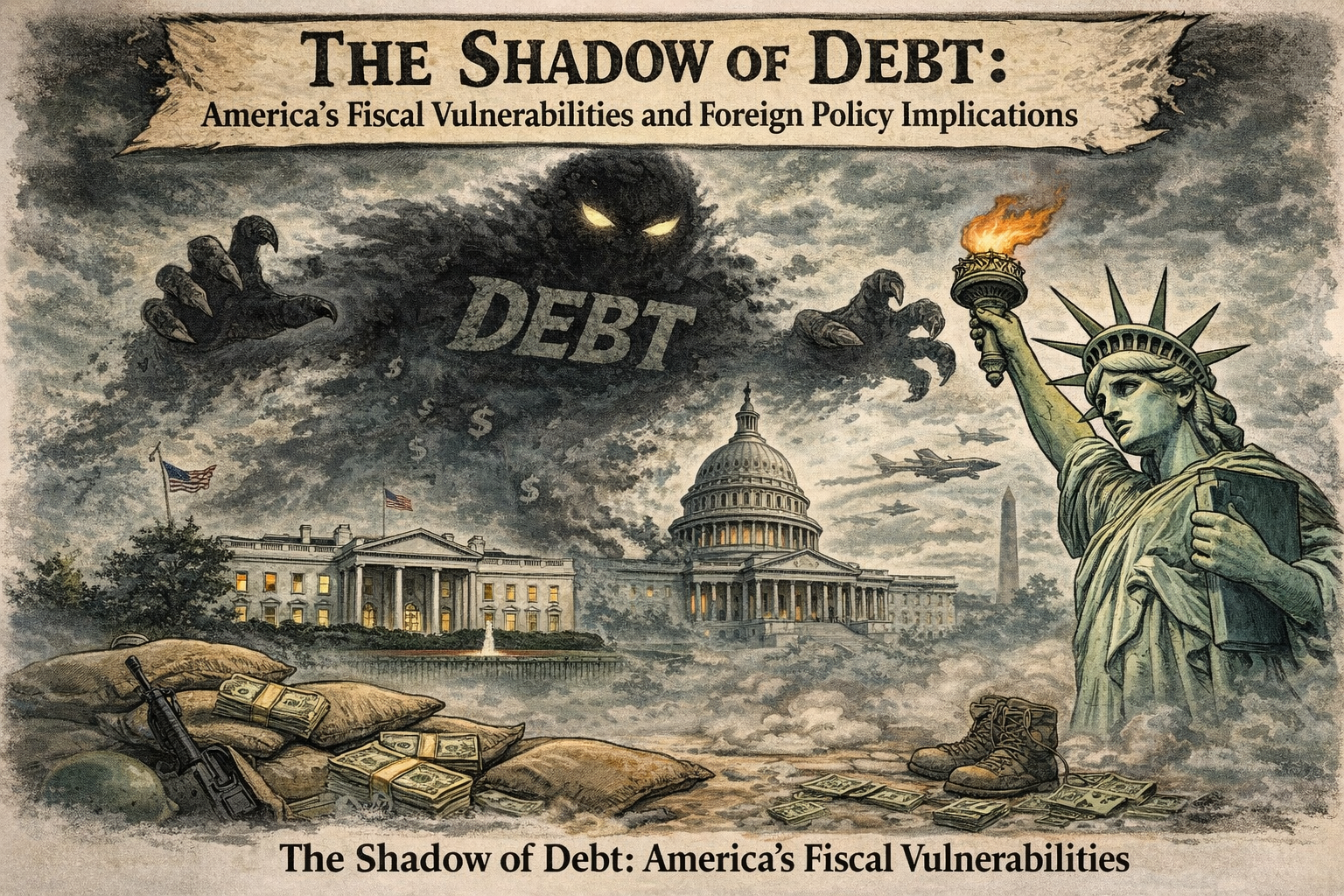
The Shadow of Debt
America’s Fiscal Vulnerabilities and Foreign Policy Implications I. Introduction to America’s National Debt The United States national debt has become one of the most defining structural features of the modern American political economy. It reflects decades of policy choices shaped by economic cycles, political priorities, demographic pressures, and repeated national emergencies. As of early 2026,…
-
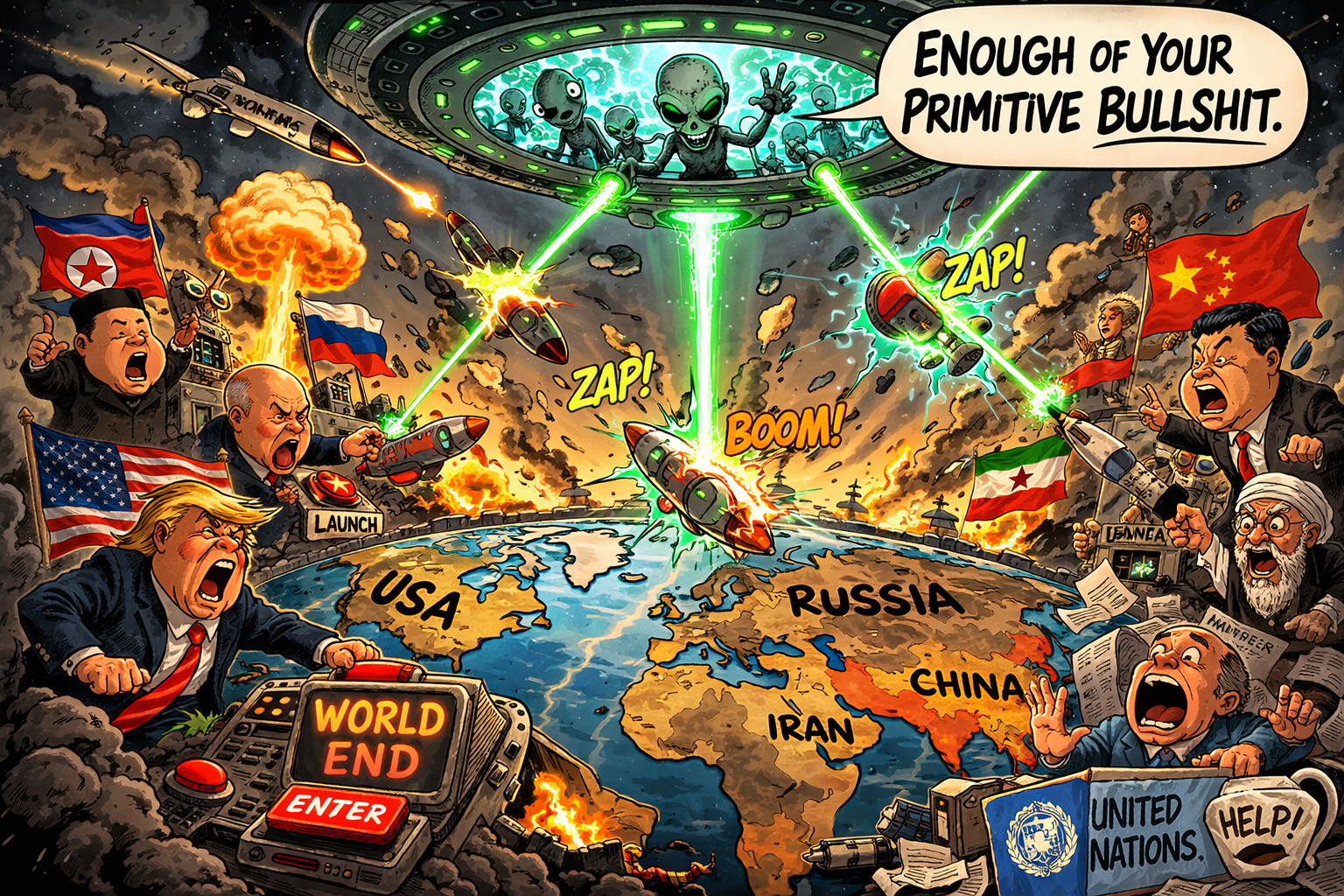
Nuclear Proliferation and Disarmament
Strategic Risks, Political Contradictions, and Unexplained Phenomena Executive Summary Nuclear weapons remain one of the most significant existential threats facing humanity. Modern thermonuclear arsenals possess the capability to destroy entire cities within minutes while generating cascading humanitarian, environmental, and economic consequences that extend far beyond the battlefield. The risks associated with nuclear conflict include immediate…
-
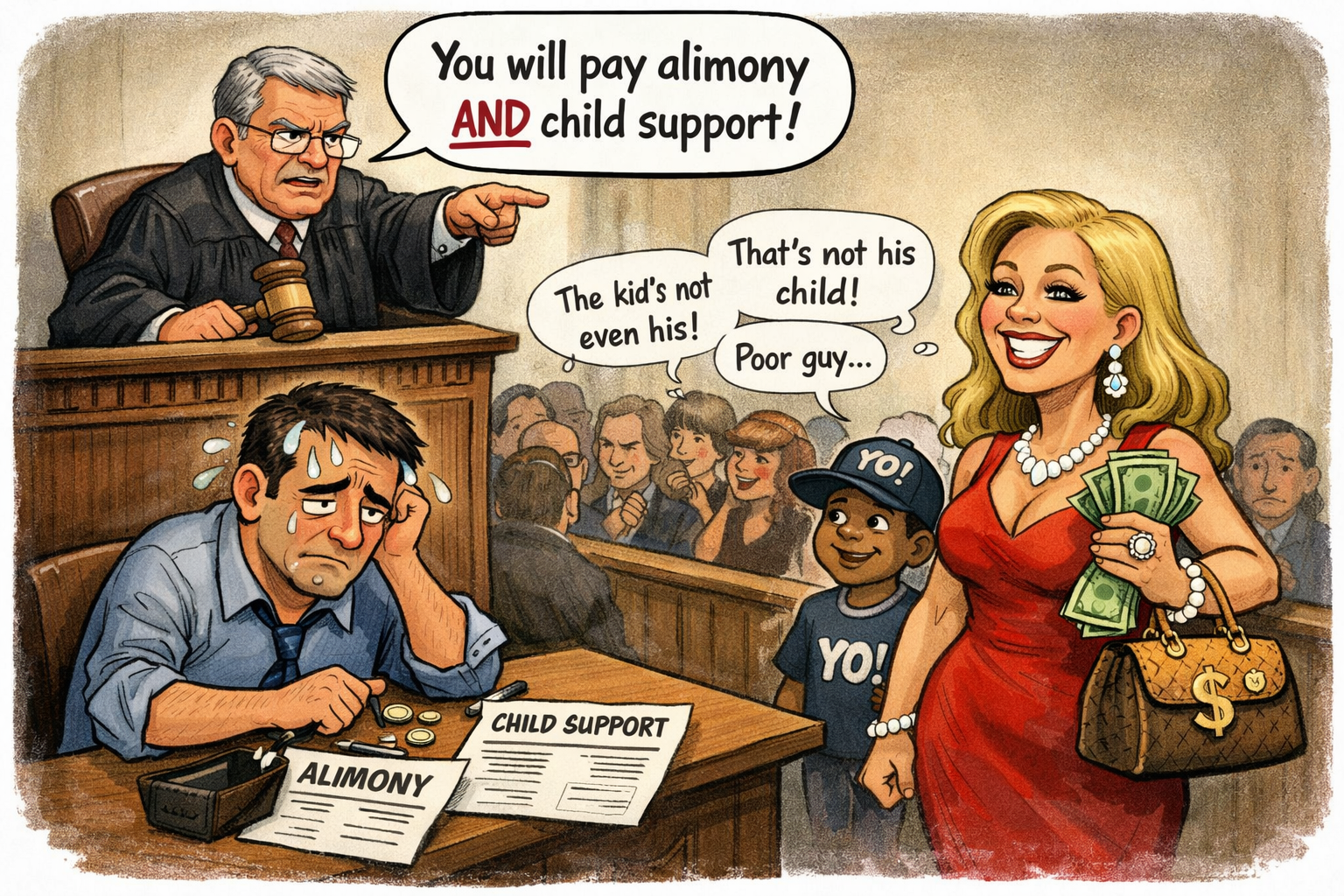
Marriage, Paternity, and Power
How DNA Testing and Family Law Reshape Male Risk in Modern Relationships Introduction Marriage has historically functioned as a legal framework designed to manage uncertainty around parentage, responsibility, and inheritance. Before the advent of DNA testing, societies relied on marriage to establish paternal certainty, assigning financial and legal responsibility to husbands regardless of biological truth.…
-

Inflation, Wages, and the Political Lie Everyone Accepts
How Sanitized Statistics Protect Power While Families Fall Behind Amid polished economic briefings and optimistic announcements from Washington, a quiet but consequential deception continues to shape the lives of everyday Americans. Official data suggests inflation is under control and wages are improving within a stable economy. For countless families, however, reality tells a different story.…
-
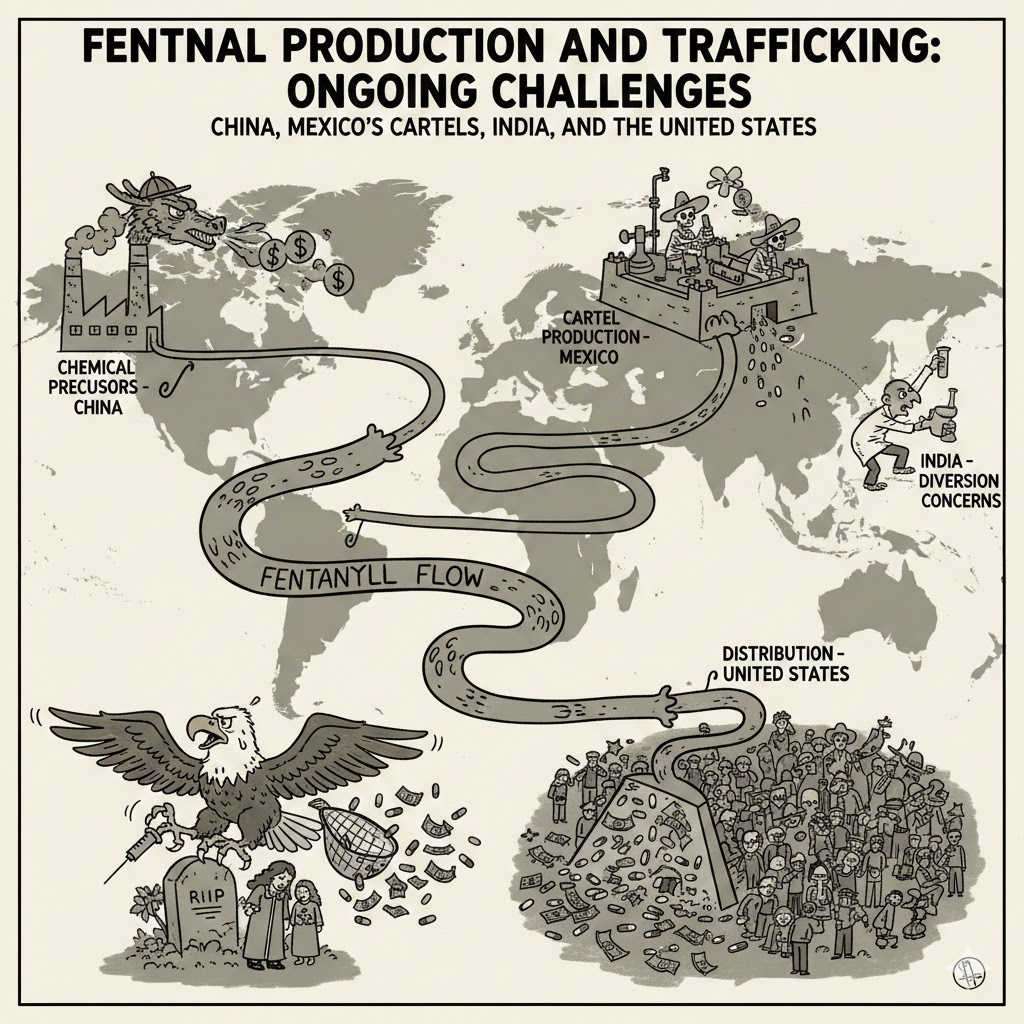
Fentanyl Production and Trafficking
The fentanyl crisis in the U.S. persists as a significant public health issue, governed by global dynamics involving China and India as key suppliers, and Mexican cartels as primary producers. Although recent policies have decreased overdose deaths, the adaptable trafficking networks continue to pose serious challenges, necessitating coordinated international action and public health strategies.
-
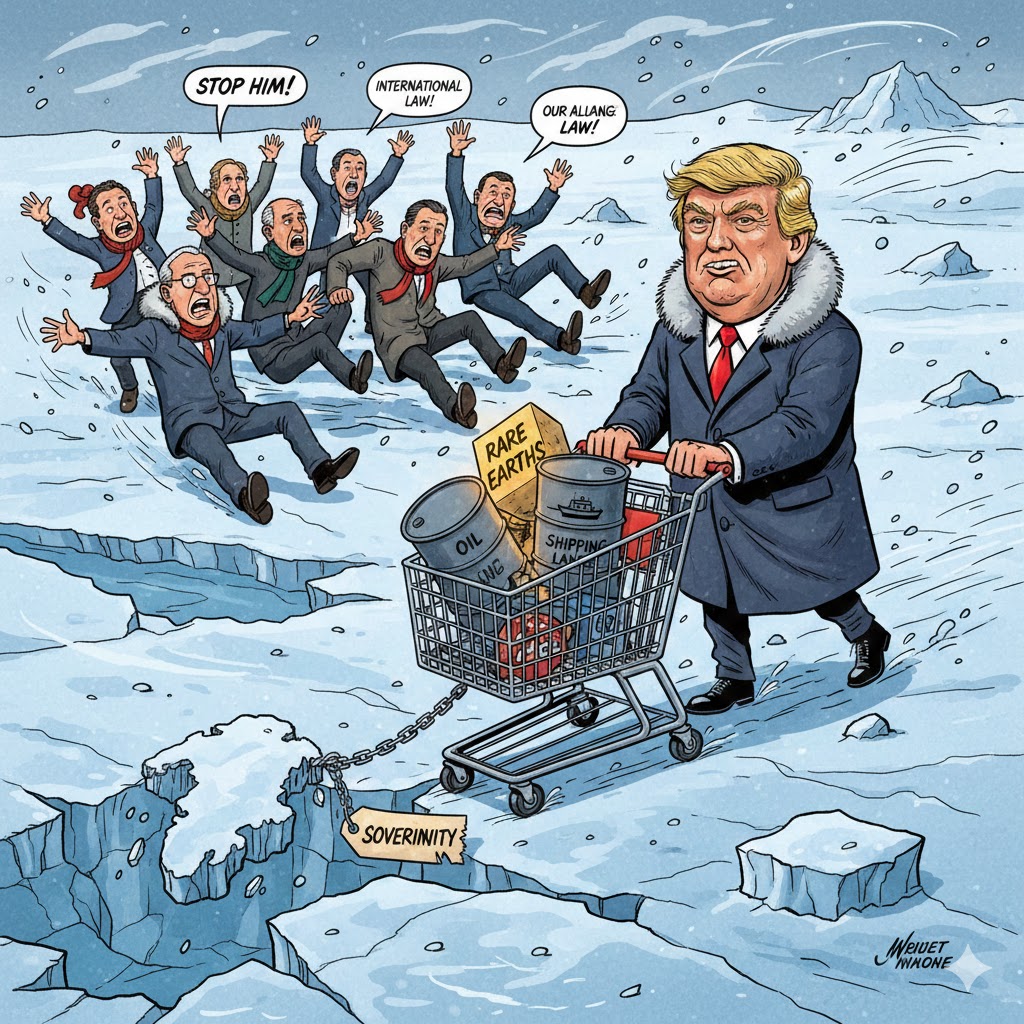
The Arctic Gambit
A hypothetical U.S. invasion of Greenland could transform Arctic geopolitics and test NATO’s foundations. This analysis examines Greenland’s strategic resources, American military dominance, European defense dependence, collective defense obligations, and growing great power competition to consider how unilateral American action could fracture alliances and reshape the international security order.
-
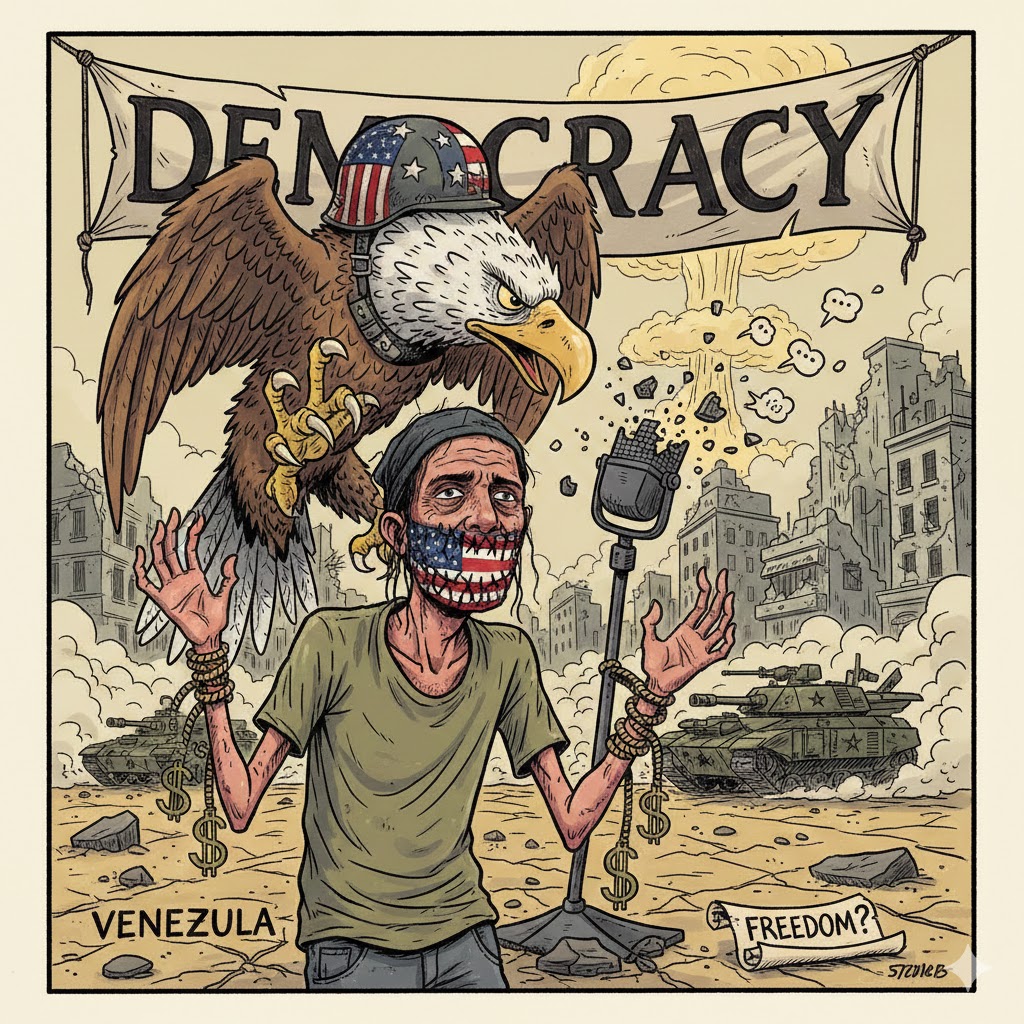
Venezuela’s Silent Revolution
In January 2026, U.S. forces captured Venezuelan President Maduro, promising a new era of stability. However, the leadership of interim president Delcy Rodríguez revealed continuity within the ruling elite, undermining hopes for democratic reform. The absence of elections and rising repression leave Venezuelans disillusioned and without agency in shaping their future.
-

Is Nicolás Maduro a Political Prisoner?
Nicolás Maduro’s detention by the United States raises complex questions about sovereignty, international law, presidential immunity, and political imprisonment. This analysis examines the circumstances surrounding his capture, the criminal charges against him, competing legal arguments, and whether an extraordinary military operation against a foreign leader transforms prosecution into politically motivated detention.
Search
Categories
Tags
AI american foreign policy American Politics artificial intelligence Church and State conflict resolution Constitutional Law counterintelligence declaration of independence De Facto Authority Diplomacy divine sovereignty economic policy economy epstein files Global Governance healthcare human rights inflation international law international relations iran iran conflict Mtb Entertainment national debt National Sovereignty peacebuilding polarization political analysis political legitimacy political science political theory robot tax Security Dilemma social science social sciences Sovereign of Sovereigns the brooks brief Trump ubi united nations united states United States foreign policy united states policy universal basic income